Expanding Access to Microgravity Research and STEM Engagements
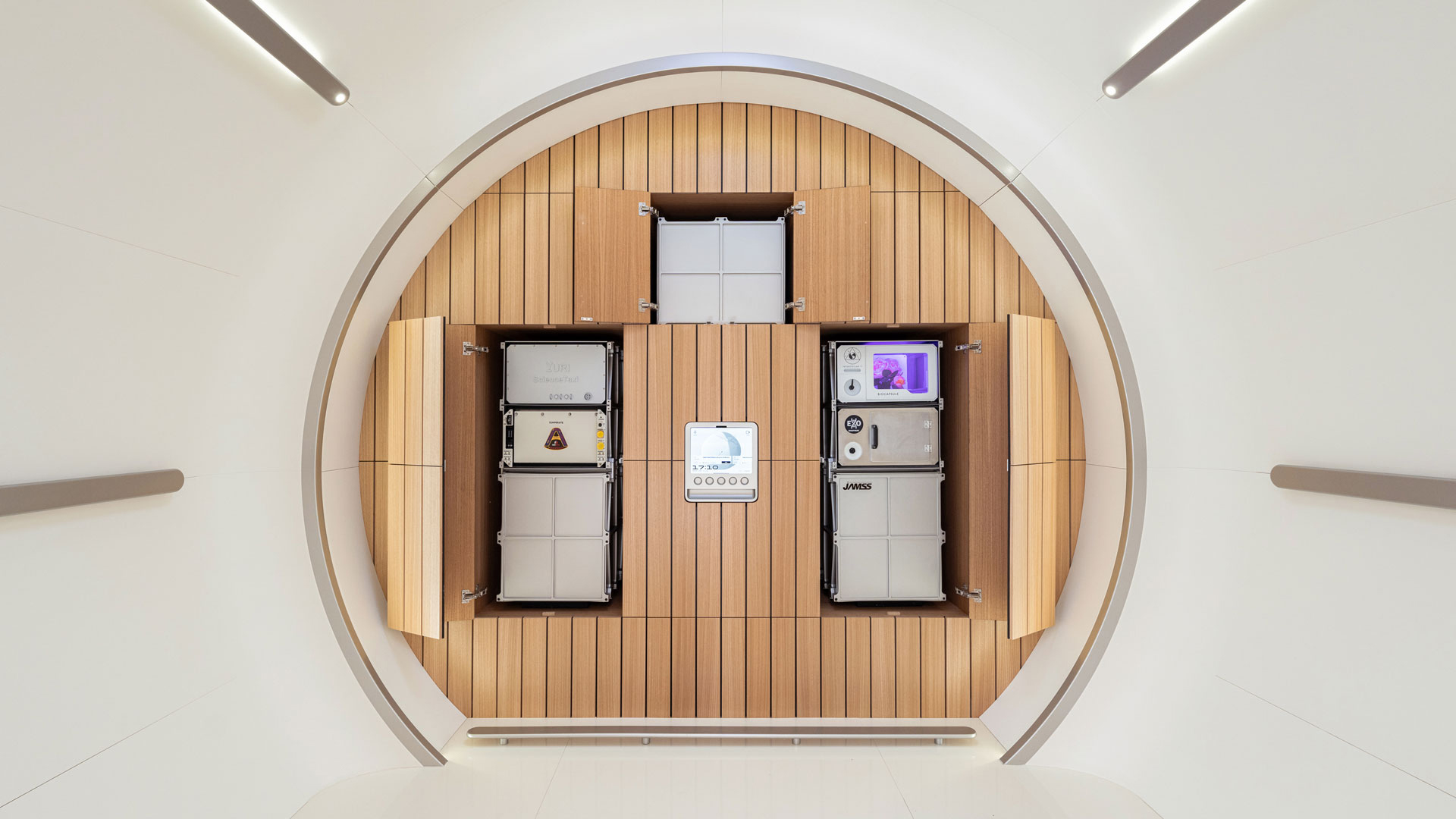
Vast is holding a call for ground-based and space-based research aboard Haven-1 Lab and during potential private astronaut missions to the International Space Station (subject to award by NASA). Haven-1 Lab is scheduled to be the world’s first crewed commercial microgravity research and manufacturing facility in space. Vast aims to enable innovative and technically excellent research on the world's first commercial space station. The lab will be fully operational with highly-capable facilities supporting automated and crew-assisted experiments.
To learn more about submitting a proposal to Vast, visit: www.vastspace.com/science-rfp-eligibility
In its early iteration, Haven-1 Lab is well-equipped for experiments in the areas of protein crystallization for pharmaceutical development, stem cell research, plant growth in space, human research including remote medical technologies and crew health, technology demonstrations, and food systems. Desired research is in the areas of advancing safe human exploration to the Moon and Mars, new discoveries in physical and biological sciences, and materials science and biotechnology breakthroughs that can benefit humans on Earth. Existing partners for Haven-1 Lab, and leaders in space systems, include Redwire, Yuri, Japan Manned Space Systems Corporation (JAMSS), Interstellar Lab, and Exobiosphere.
Vast Principal Scientist and former International Space Station (ISS) Program Deputy Chief Scientist, Meghan Everett, shares, “The opportunity to expand access to microgravity research upon the world’s first commercial space station is historic. We need to build on the heritage of the ISS National Lab and help scientists and industry continue world-changing research breakthroughs that are only possible in the novel environment of microgravity. ”
In its lifetime, the International Space Station (ISS) has hosted over 3,000 experiments from more than 5,000 researchers representing over 100 countries so far, with more than 4,000 scientific journal publications based on space station science. Continuing the ISS legacy of space-based research is crucial to advancing discoveries that will benefit life on Earth and support deep space exploration. Everett will now develop a robust multi-disciplinary research portfolio for Vast to include providers and subject matter experts from NASA, international partners, academia, and the commercial industry. The portfolio will begin with experiments aligned with current Haven-1 Lab capabilities and grow with complexity as Vast continues to iterate on its facilities. Vast’s science strategy demonstrates its overarching business model of hardware-rich iteration toward permanent human presence, avoiding a gap between ISS and commercial platforms.
This call is open to early-career and established researchers, technologists, and engineers with or without previous experience conducting research in space from for-profit organizations, non-profit organizations, accredited institutions of higher education, Federally Funded Research and Development Centers, and Federal entities. Submit a proposal to Vast by visiting: www.vastspace.com/vast-science-rfp-2026
On February 12, 2026, NASA announced that Vast has been selected for the sixth private astronaut mission to the International Space Station, launching no sooner than summer 2027. In light of this update, we are extending the deadline of the call for research proposals to March 1, 2026.
About Vast
Vast is developing next-generation space stations to ensure continuous human presence in space for America and its allies, enabling advanced microgravity research and manufacturing, and unlocking a new space economy for government, corporate, and private customers. Using an incremental, hardware-rich and low-cost approach, Vast is rapidly developing its multi-module Haven Station. Haven Demo’s 2025 success made Vast the only operational commercial space station company to fly and operate its own spacecraft. Next, Haven-1 is expected to become the world’s first commercial space station when it launches in 2026, followed by additional Haven modules to enable permanent human presence by 2030.
With more than 1,000 employees at its Long Beach, California headquarters and over a billion dollars in private capital invested, Vast has built the facilities required to manufacture and operate America’s next space station. The company plans to develop future habitats for the Moon and Mars, dedicated space stations for government partners, and other crewed systems that will unlock the expanding long-term space economy.
.jpg)
