updates
Vast Expands into High-Power Satellite Buses, Leveraging In-House Space Station Technology and Proven Haven Demo Satellite Heritage
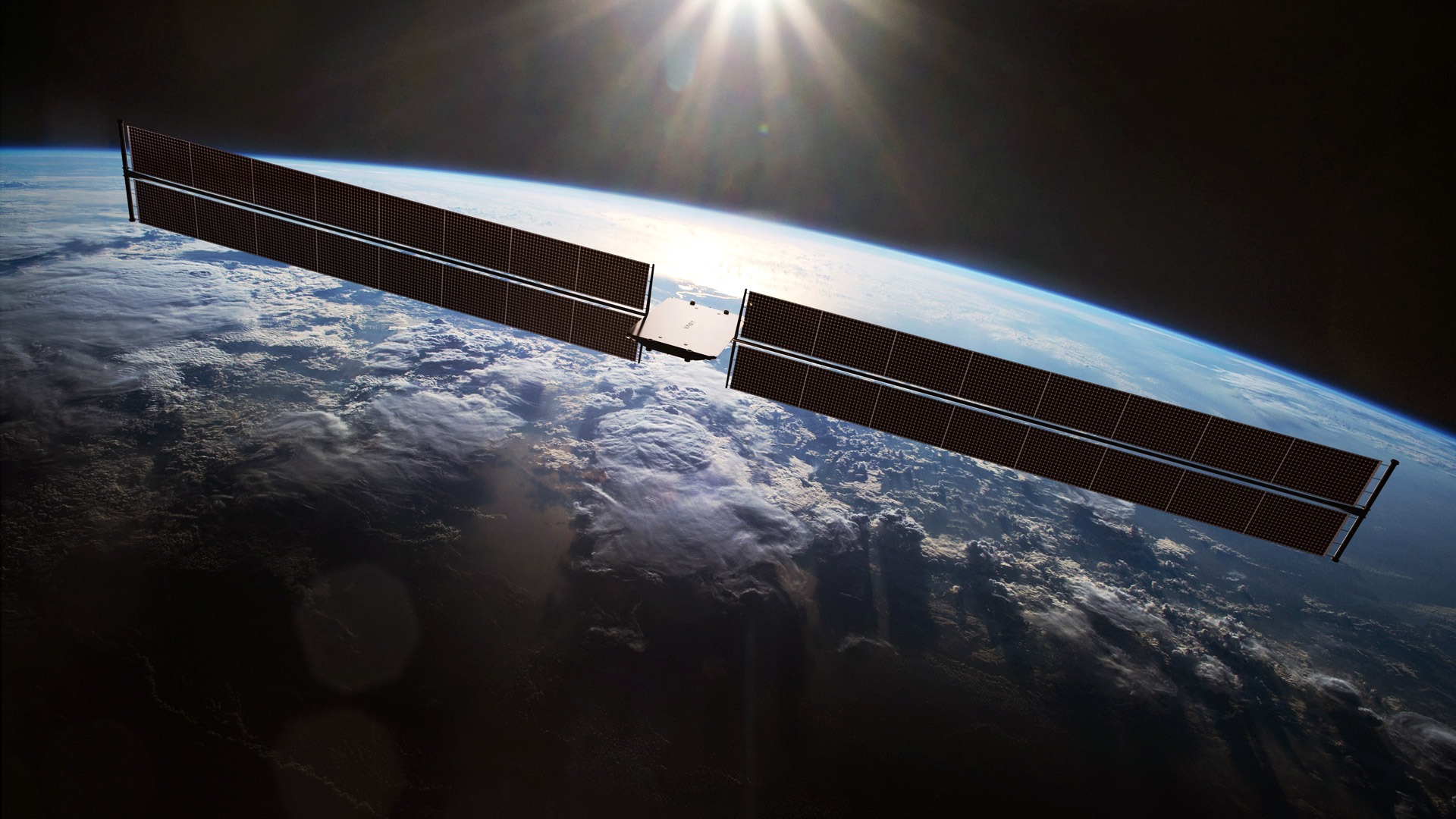
Vast, the company developing next-generation space stations and space infrastructure, today announced Vast Satellite, a new line of high-power satellite buses built for operators across communications, Earth observation, national security, and orbital data center satellite constellations.
With the launch of Vast Satellite, Vast is expanding beyond commercial space stations into high-volume spacecraft platforms designed for high-performance orbital missions. The first offering is a 15 kW-class satellite bus designed to support a wide array of power-intensive missions through flexible configurations.
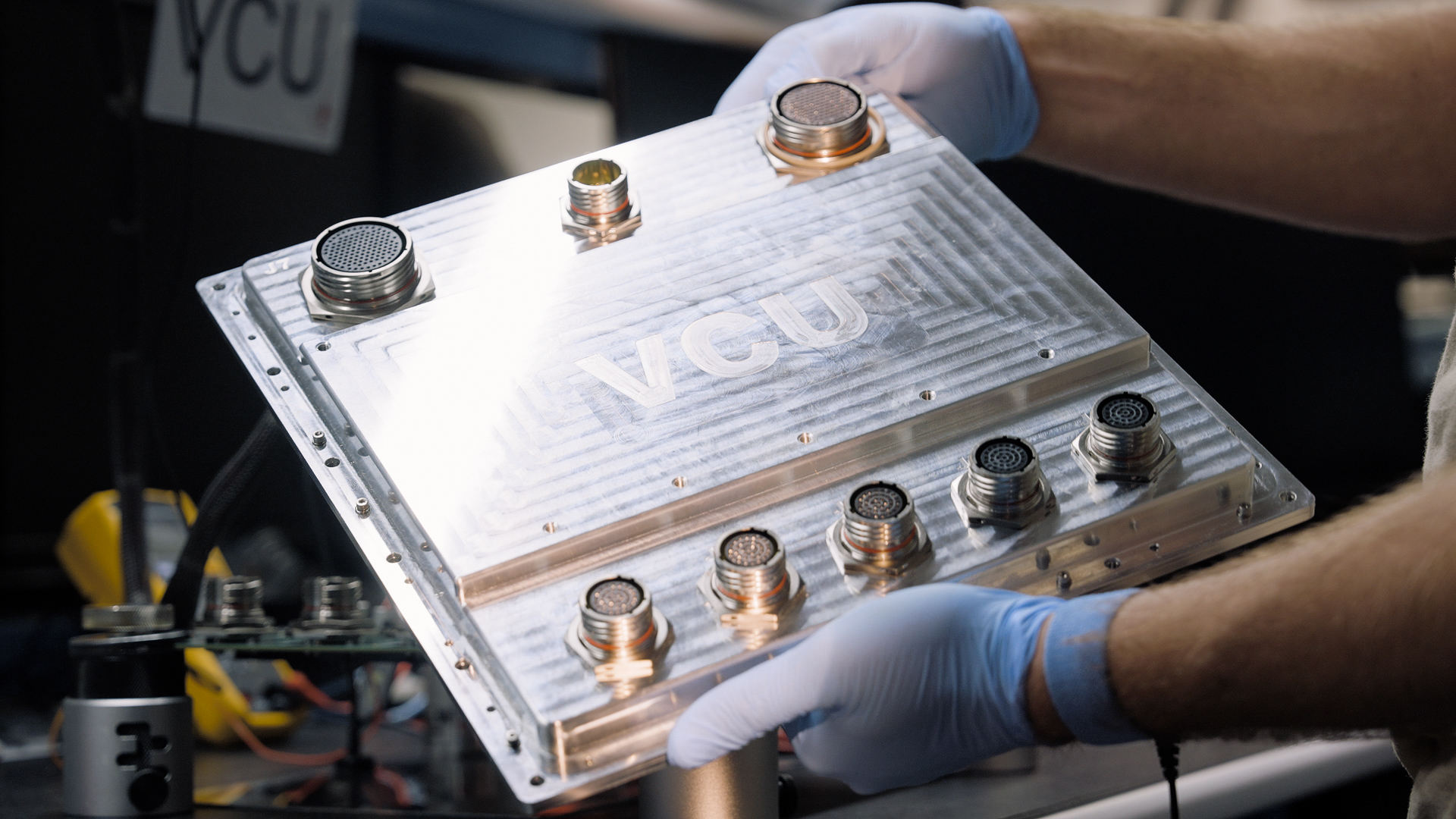
Built around common in-house subsystems—including avionics, power, communications, propulsion, and flight software—Vast Satellite leverages technologies already developed for its Haven-1 space station, and validated through the successful Haven Demo mission in 2025. This shared architecture combined with Vast's vertically integrated manufacturing model and advanced production capabilities is designed to support faster development timelines, lower costs, and increased mission reliability.

“We believe Vast is uniquely positioned to compete in the high-power satellite market through the combination of our world-class engineering team, large-scale manufacturing capabilities, and the on-orbit success of Haven Demo,” said Vast CEO Max Haot. “Customers can benefit from our experience designing, building, and operating flight-proven large-scale spacecraft while gaining access to highly capable, flexible spacecraft platforms backed by operational expertise.”
Vast Satellite has already secured its first sale: a confidential customer signed an agreement for four satellites, with an option to purchase up to 200 additional satellites.
Haven Demo, led by Senior Vice President of Special Projects Jim Martz, served as an in-space testbed for critical space station technologies. Following a successful mission in 2025, the spacecraft executed a controlled deorbit on February 4, 2026, after successfully testing and validating critical systems—including avionics, power, and flight software—the same core technologies that underpin Vast’s high-power satellites. Martz previously led satellite engineering organizations at SpaceX’s Starshield and Muon Space.


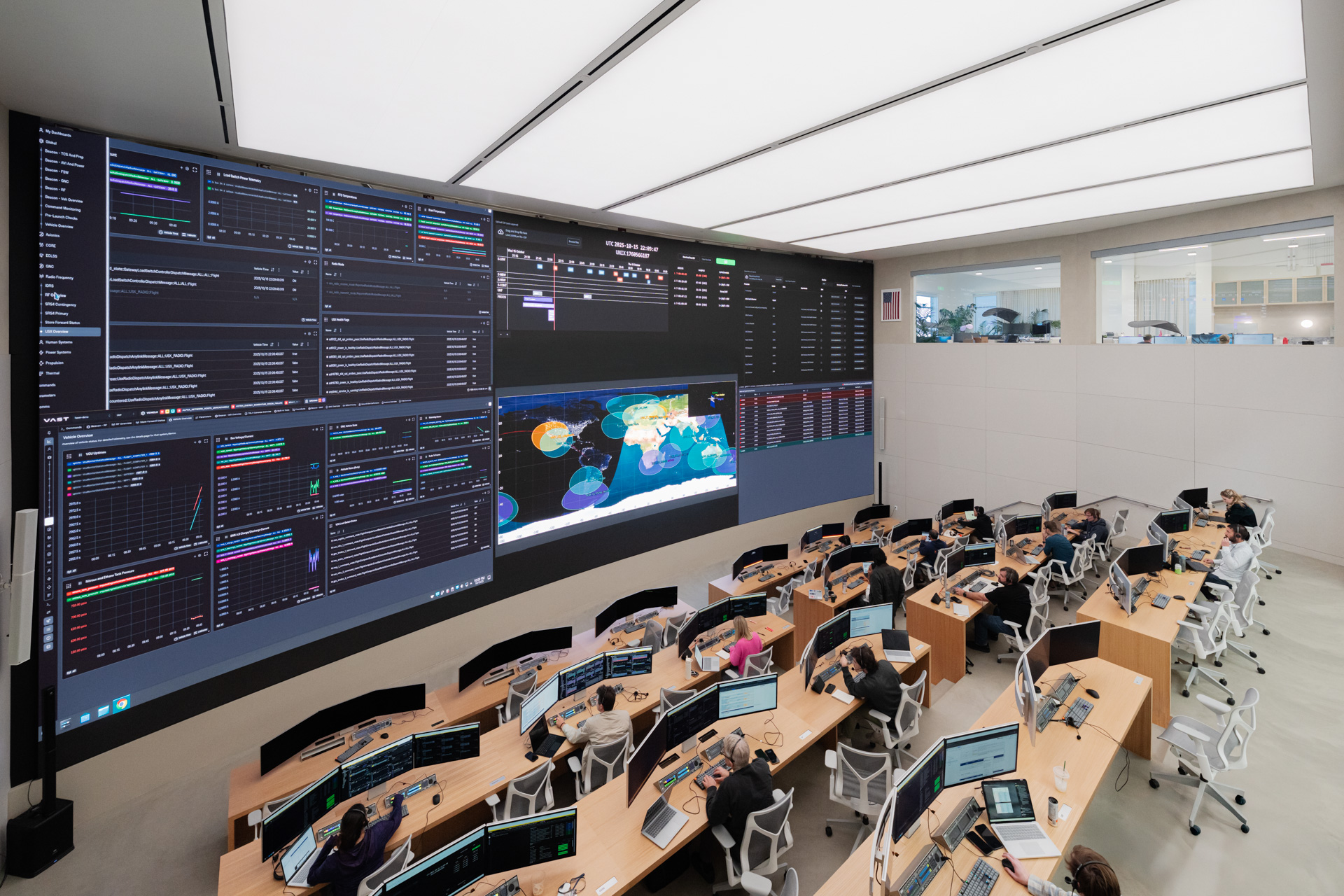
“Haven Demo allowed us to validate key spacecraft systems in the operational environment they were designed for,” said Martz. “The mission provided valuable flight heritage and demonstrated the maturity of the avionics, power, and software systems that are expected to form the foundation of our satellite platforms.”
The inaugural platform in Vast's high-power satellite product line features the following specifications:
Mission Parameters
- Design life: 5 years
- LEO altitude range: 350–1,200 km
- Future orbits: MEO, GEO, Lunar
- Total mission ΔV: ≥500 m/s
Mechanical
- Bus dry mass: 700 kg
- Payload capacity: 350+ kg
- Flat panel structure optimized for high-density launch and batch deployment.
- Dimensions: 2.2 m × 3.6 m
- Flexible payload mounting locations and volume
Power
- Solar power: 15 kW (two deployable rollout arrays with drive actuators)
- Payload peak power: 20 kW+ (time dependent)
- Payload orbit average power: 6-14.5 kW (orbit and payload dependent)
- Payload orbit average bus managed thermal dissipation: 6-10 kW (orbit and payload dependent)
GNC Performance
- Pointing knowledge: <0.05 deg @ 1σ
- Pointing control: <0.1 deg @ 1σ
- Enhanced pointing option: <0.005 deg knowledge / <0.02 deg control @ 1σ
Vast's 15 kW satellite bus platform includes:
Propulsion and Attitude Control
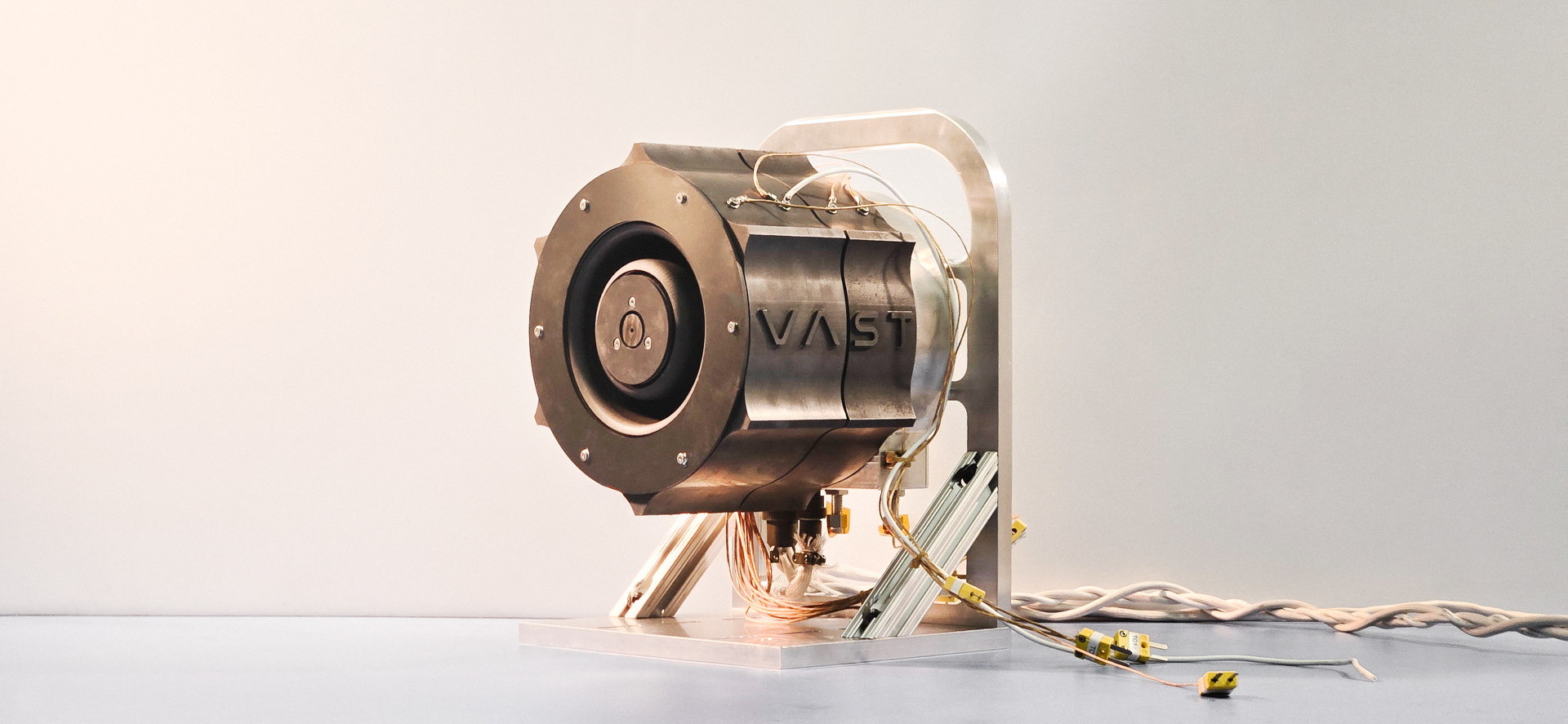
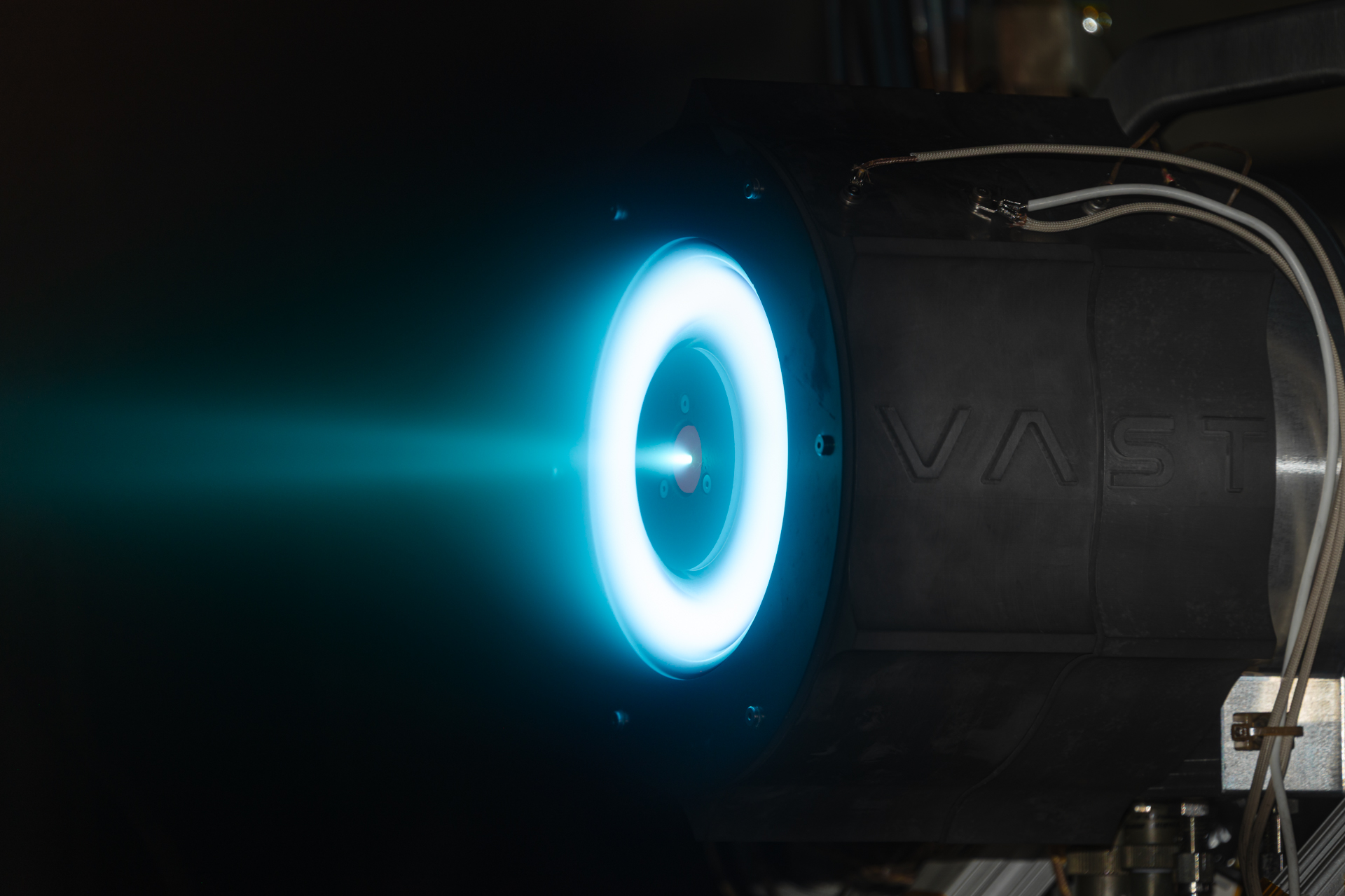
- Electric propulsion thruster and power processing unit (10 kW, Krypton)
- Control moment gyroscopes
- Torque rods
Power and Thermal
- Batteries
- Thermal control system
Avionics and GNC Sensors
- Lockstep core flight computers with Gigabit Ethernet switches
- IMU, sun sensors, star tracker, magnetometer, dual input GNSS receiver
- Standard payload interfaces include Ethernet (10/100/1000BASE-T), RS-422 serial, discrete I/O, 4–20 mA and 0–5 V analog sensor inputs, and 10 kΩ platinum RTDs, heaters
- Enhanced payload interfaces: MIL-STD-1553 and SpaceWire (optional)
Communications and Data
- TT&C S-band radio and antennas
- X-band radio and antennas (optional)
- Third-party laser communication terminal (optional)
- Software defined radio platform, with custom RF Front Ends (optional)
Onboard Compute and Imaging
- High-performance GPU (optional)
- 4K video cameras and recorder system (optional)
Vast also plans to offer an optional NVIDIA Space-1 Vera Rubin Module to support orbital data center inferencing needs, AI edge compute, advanced signal processing applications, and autonomous space operations.

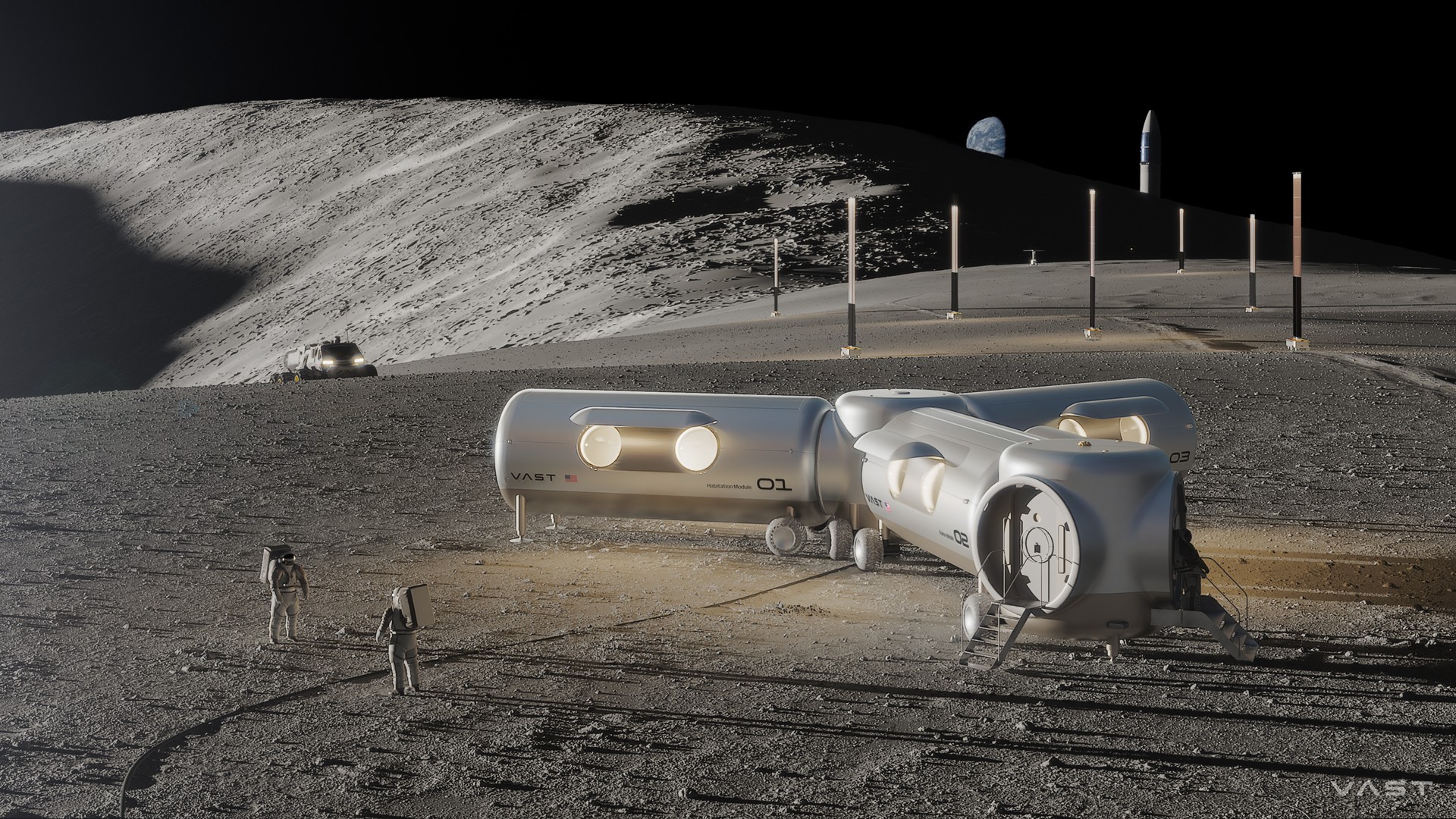
High-power satellites are a complementary product line to Vast’s planned Haven space stations, advancing the company’s long-term vision of building systems, infrastructure, and habitats needed to ensure a continuous human presence in LEO and enable space exploration to the Moon and Mars.
Vast plans to secure a satellite launch targeting a late 2027 launch of 10 of its 15 kW-class satellites. To inquire about reserving capacity on Vast’s inaugural satellite mission, contact: satellites@vastspace.com
About Vast
Vast is developing next-generation space stations and space infrastructure using an incremental, hardware-rich and low-cost approach. Vast is rapidly developing its multi-module Haven Station to ensure a continuous human presence in space for America and its allies, enabling advanced microgravity research and manufacturing, and unlocking a new space economy for government, corporate, and private customers. Haven Demo’s 2025 success made Vast the only operational commercial space station company to fly and operate its own spacecraft. Next, Haven-1 is expected to become the world’s first commercial space station when it launches in 2027, followed by additional Haven modules. Additionally, the company recently announced Vast Satellite, a high-power satellite product line leveraging its space station components and the heritage of Haven Demo.
Headquartered in Long Beach, California, and with more than 1,000 employees and over a billion dollars in private capital, Vast has built the facilities required to manufacture and operate America’s next space station. The company plans to develop future habitats and systems for the Moon and Mars, dedicated space stations for government partners, and other crewed systems that will unlock the expanding long-term space economy.
.jpg)