updates
France Signs Historic Two-Mission Agreement with Vast to the International Space Station and Haven-1, Scheduled to be the World’s First Commercial Space Station
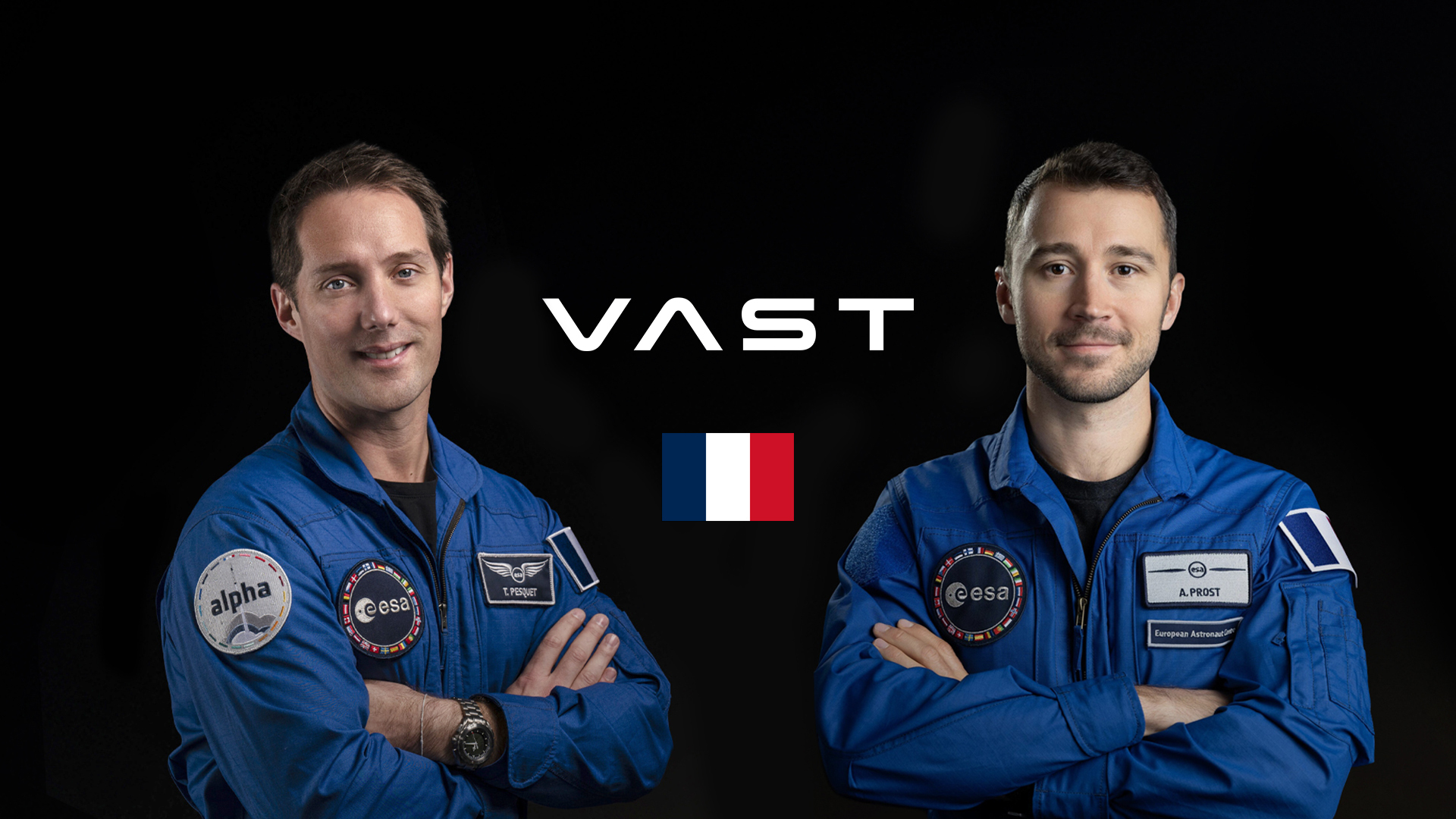
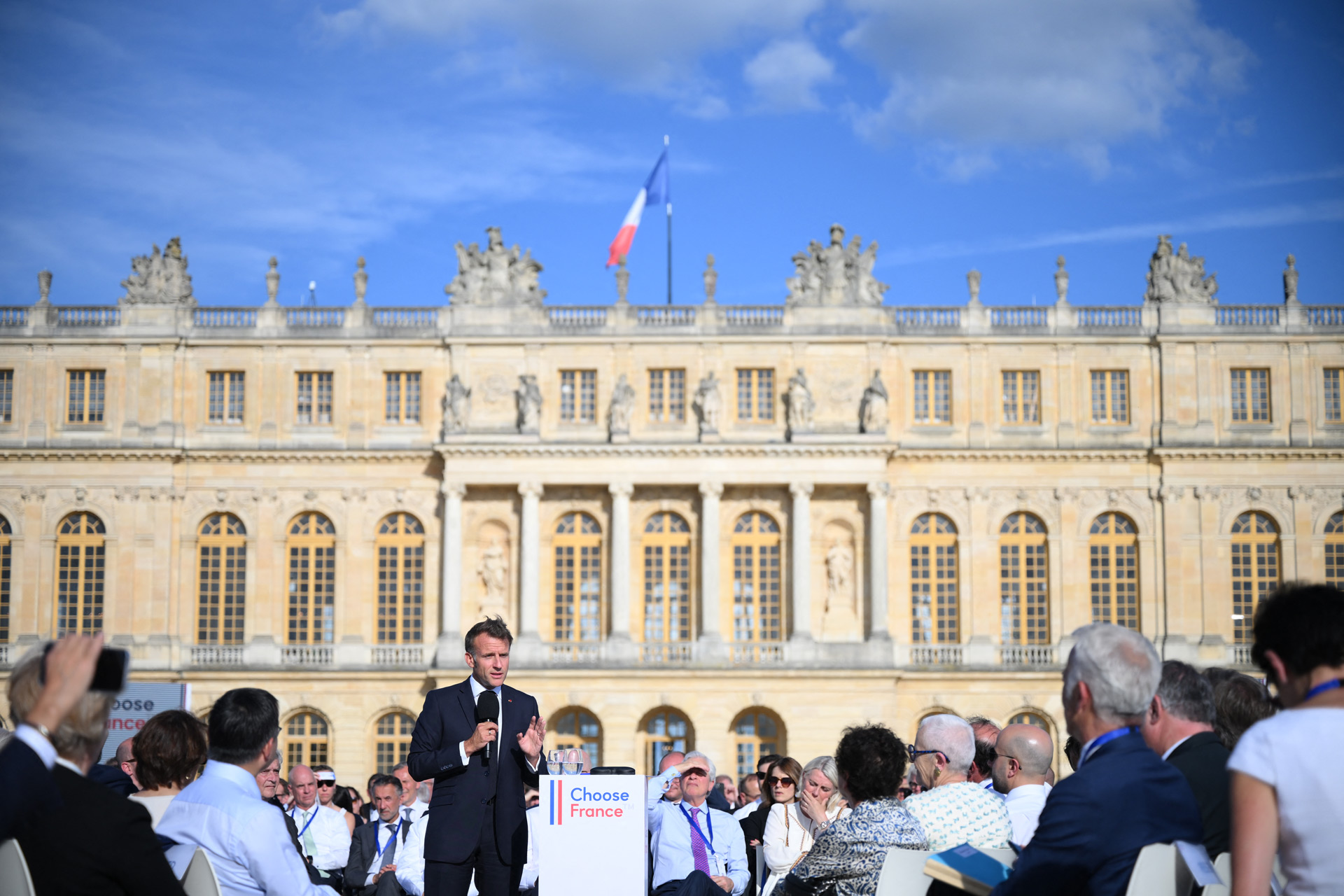
Today at the Choose France Summit, created by the President of the French Republic, Emmanuel Macron, Vast announced its commitment to establish its European headquarters in Paris and an agreement with the Government of France, for two missions involving two French astronauts: the sixth private astronaut mission to the International Space Station and the Haven-1 test flight, the first crewed mission to Vast’s Haven-1 commercial space station scheduled to launch in 2027.
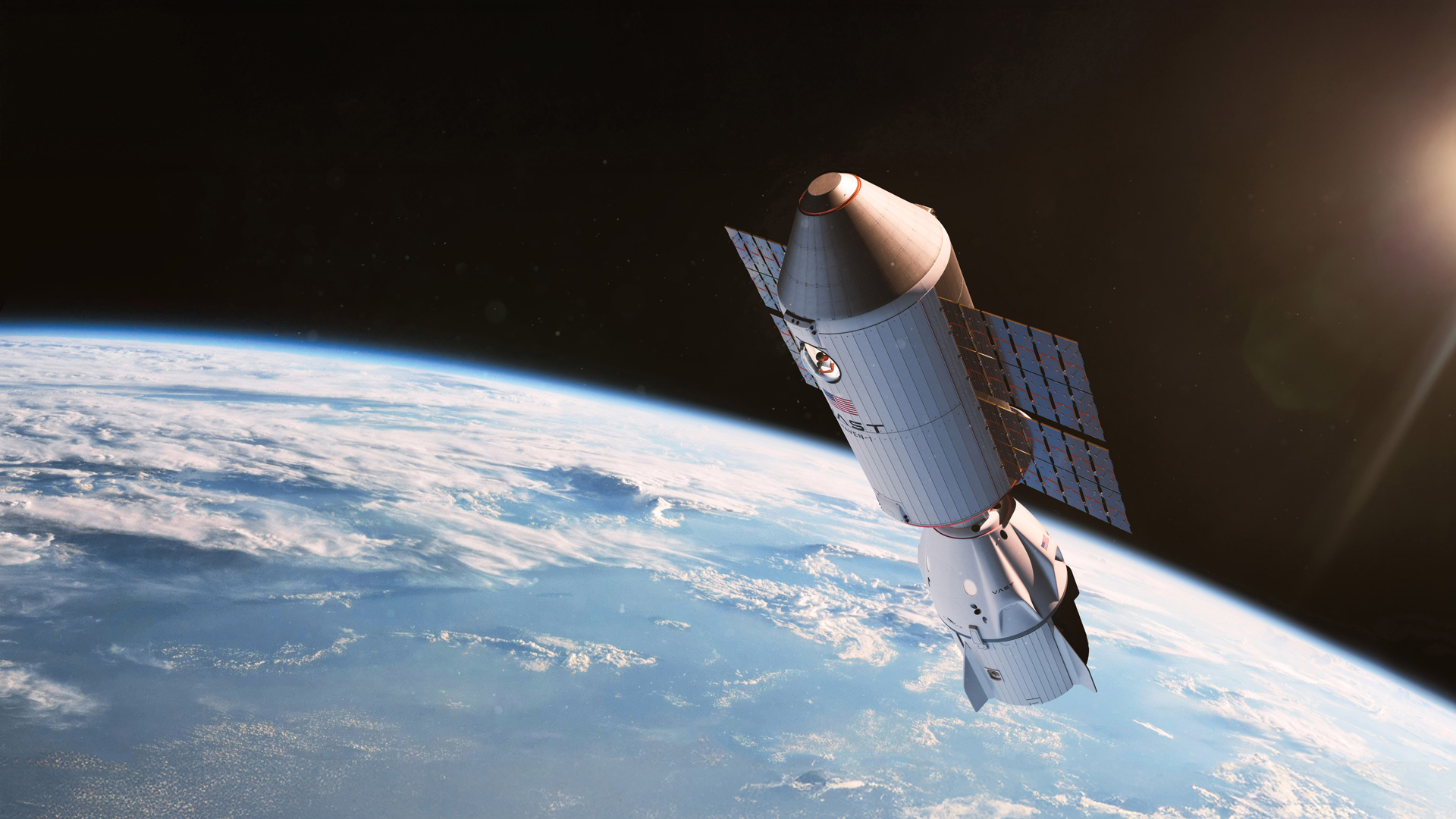
For France, this agreement ensures the country can continue its low-Earth orbit missions, building upon its prior experience of training for and participating in operational manned space missions.
Subject to the International Space Station’s Multilateral Crew Operations Panel (MCOP) review and approval, ESA Astronaut Thomas Pesquet will serve as Commander for Vast’s private astronaut mission to the International Space Station in partnership with NASA. The MCOP’s decisions are reached through a consensus among representatives from all five Space Station partners: NASA, ESA, Roscosmos, the Japan Aerospace Exploration Agency, and the Canadian Space Agency.
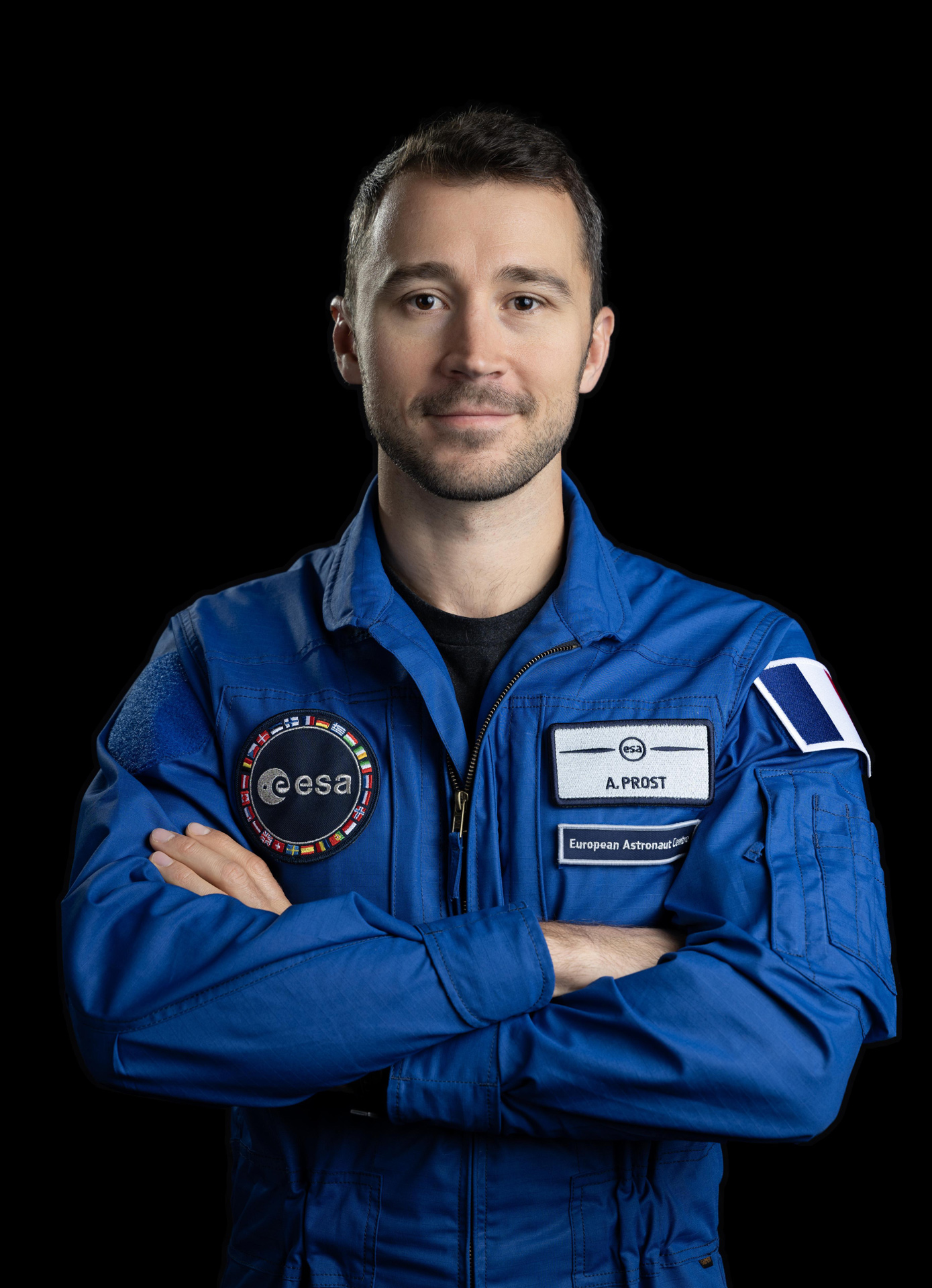
ESA Reserve Astronaut Arnaud Prost is intended to serve as a flight test engineer on the first crewed mission and flight acceptance test for Haven-1, scheduled to be the world’s first commercial space station.
Both missions are expected to last approximately two weeks and are planned for 2027, with transportation provided by SpaceX on a Dragon spacecraft launched aboard a Falcon 9 rocket.
More details for the French missions will be shared during the International Space Summit announced by French President Emmanuel Macron, which will be held on September 9 and 10 in Paris.
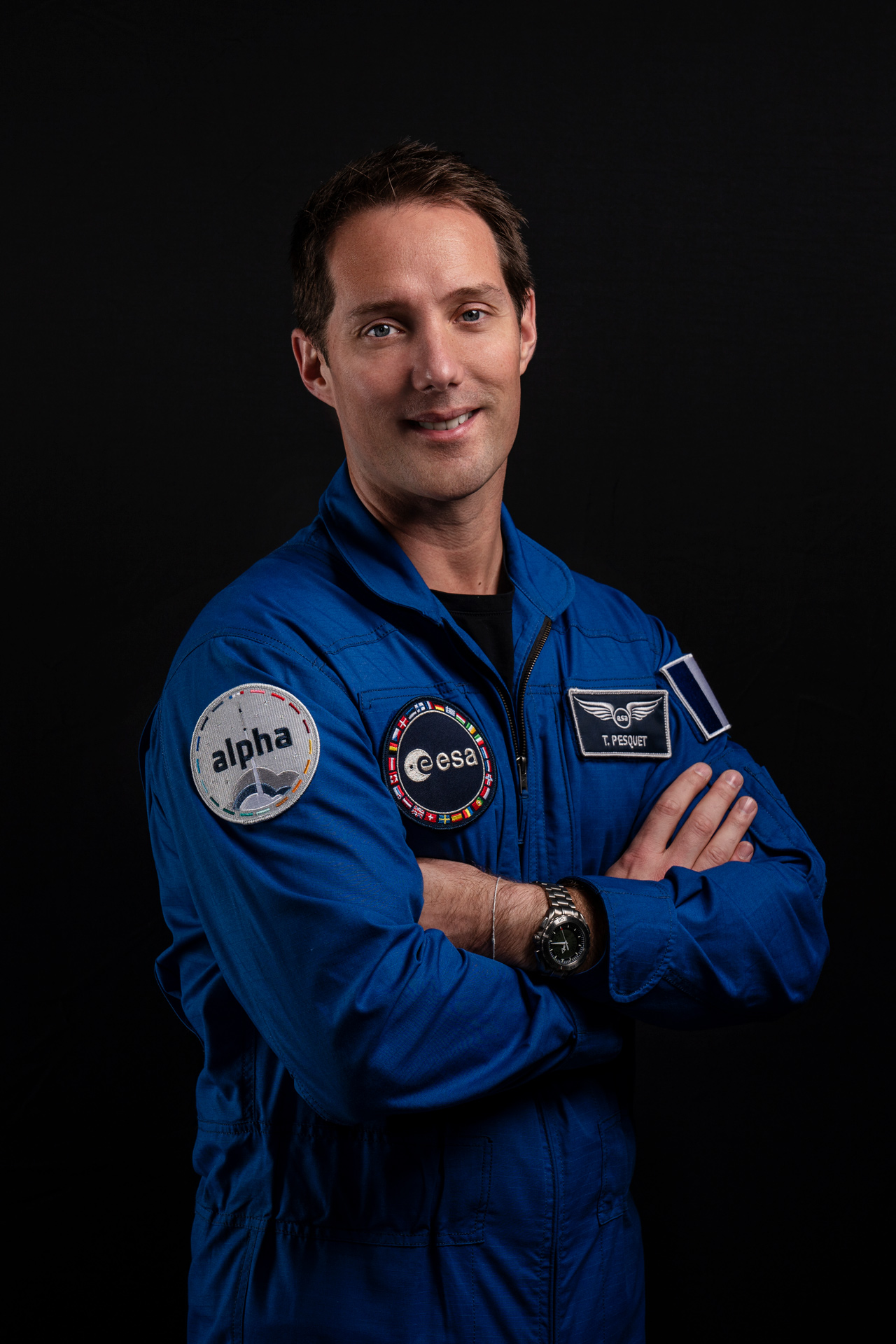
Thomas Pesquet began his career as a satellite dynamics engineer at Thales Alenia Space, at GMV, then quickly joined CNES, before becoming an airline pilot for Air France in 2006. Selected by ESA in 2009, he joined the astronaut corps after a rigorous selection. He became the 10th French astronaut in space in 2016 for the Proxima mission, during which he spent 197 days aboard the International Space Station, performed two spacewalks, and participated in more than 50 scientific experiments.
In 2021, he launched aboard SpaceX's Dragon spacecraft as part of NASA’s Crew-2 mission and his second mission to the International Space Station, Alpha, and became the first French astronaut to command the orbiting laboratory. Four spacewalks and 200 days later, he now holds the European record for days in space and time spent spacewalking. In parallel to his astronaut role in ESA, Thomas Pesquet flies in the Air and Space Force, and as a test pilot at Airbus; he has become CEO of Novespace.
Arnaud Prost is a French flight test engineer, military pilot, reserve astronaut and professional diver who graduated from École Polytechnique. After working as a test diver for COMEX on an underwater training spacesuit, he graduated as a fighter pilot in the French Air and Space Force. From 2020, he worked at the DGA Flight Test Centre in Istres on the RAFALE fighter jet, focusing on air-to-air combat, human–machine interfaces and Higher Airspace Operations. Since 2023, he has served as an operational pilot and aircraft commander of the E-3F AWACS for the 36th Airborne Command and Control Wing. In parallel, Prost was selected in November 2022 in the European Space Agency Astronaut Reserve. In 2024 and 2025, he completed ESA’s PANGAEA geology training for Lunar and Martian exploration. In May 2026, he finished his basic astronaut reserve training.
Both missions will focus on scientific research, technology demonstrations, and educational outreach activities, including experiments from French industry and academic institutions, all activities during which CNES, the French space agency, will put its expertise of more than 40 years of manned spaceflight to use.
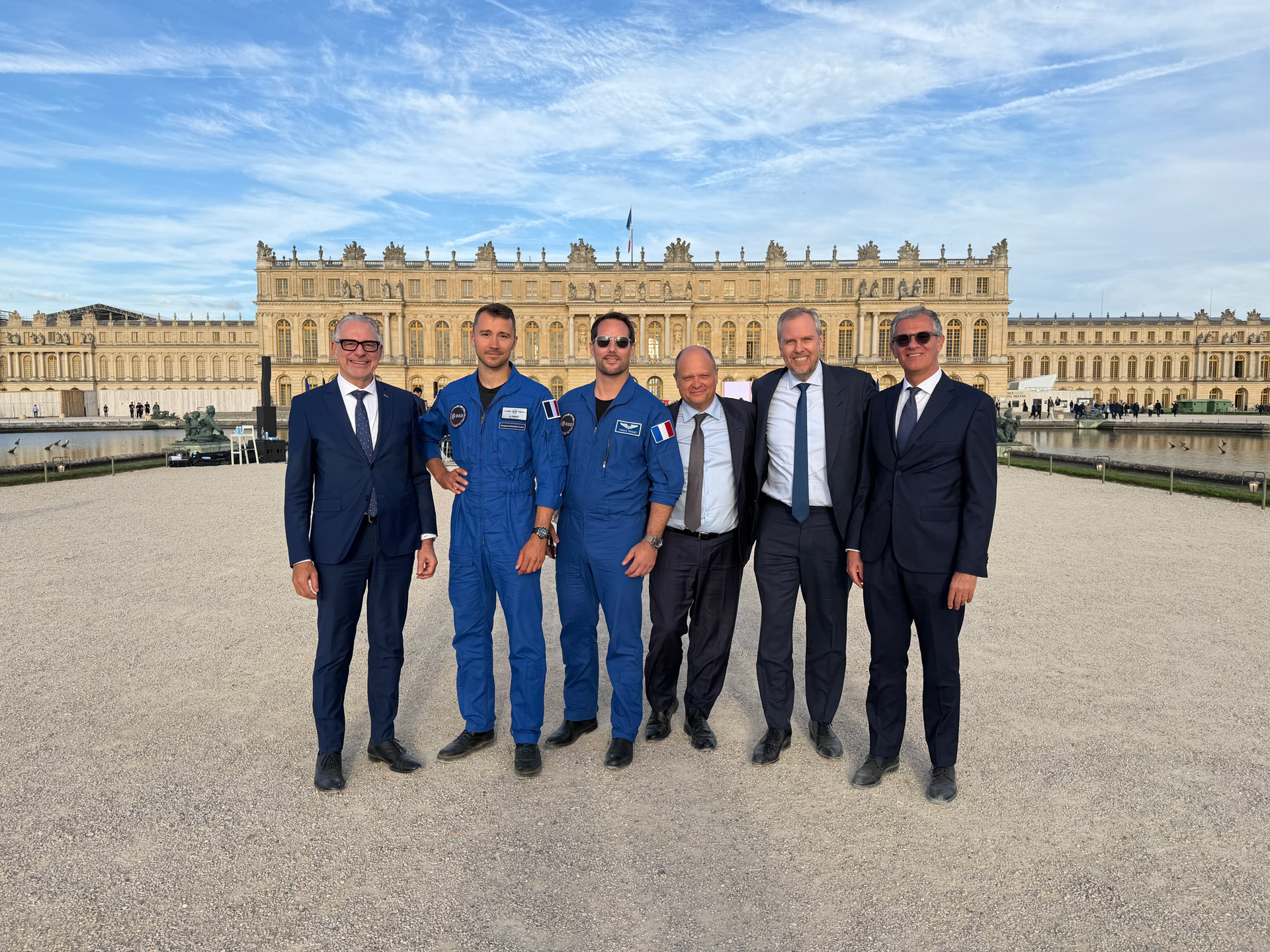
In selecting Vast for these historic missions, France is paving the way for a sustained human presence in space while strengthening transatlantic partnerships and expanding opportunities for innovation, discovery, and exploration aboard the International Space Station and Haven-1.
Additional crew members for both missions will be announced at a later date and are expected to include professional astronauts from sovereign countries with diplomatic ties to France.
“We thank France, but also CNES and ESA and NASA for their partnership and leadership in advancing human spaceflight,” said Max Haot, Vast CEO. “This agreement reinforces Vast’s commitment to launch and operate the world’s first commercial space station. We are honored that France selected Vast for these historic missions.”
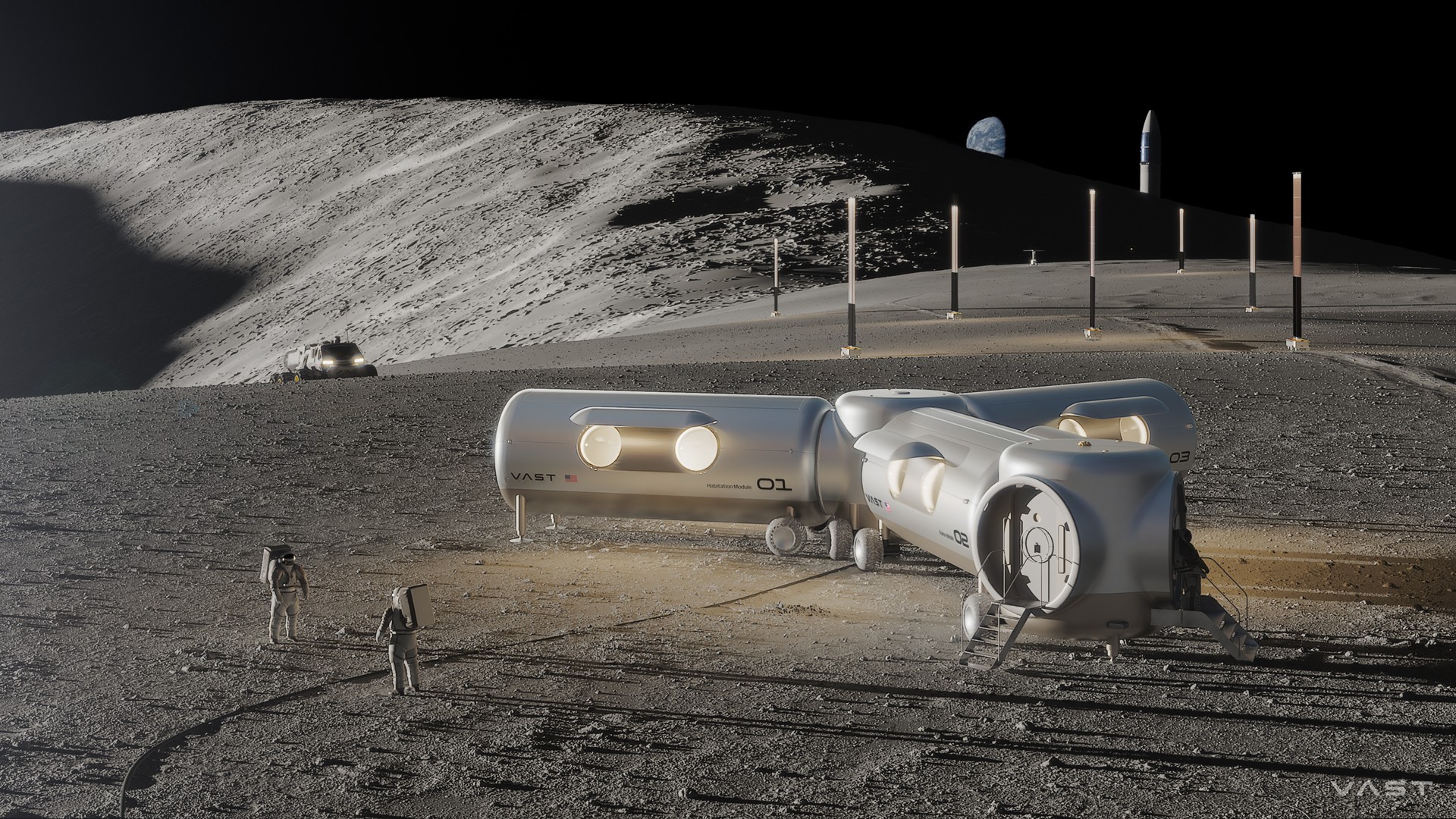
Haven-1 is currently in integration at Vast’s headquarters in Long Beach, California in preparation for scheduled launch in 2027. After launch, the first Haven-1 crew is expected to fly to the station within a few weeks.
Vast's private astronaut mission to the International Space Station will launch no earlier than the summer of 2027.
About Vast
Vast is developing next-generation space stations and space infrastructure using an incremental, hardware-rich, and low-cost approach. Vast is rapidly developing its multi-module Haven Station to ensure a continuous human presence in space for America and its allies, enabling advanced microgravity research and manufacturing, and unlocking a new space economy for government, corporate, and private customers. Haven Demo’s 2025 success made Vast the only operational commercial space station company to fly and operate its own spacecraft. Next, Haven-1 is expected to become the world’s first commercial space station when it launches in 2027, followed by additional Haven modules. Additionally, the company recently announced Vast Satellite, a high-power satellite product line leveraging its space station components and the heritage of Haven Demo.
Headquartered in Long Beach, California, and with more than 1,000 employees and over a billion dollars in private capital, Vast has built the facilities required to manufacture and operate America’s next space station. The company plans to develop future habitats and systems for the Moon and Mars, dedicated space stations for government partners, and other crewed systems that will unlock the expanding long-term space economy.
About CNES
For over 40 years, thanks to CNES and its partners, France has acquired internationally recognized expertise in the field of human spaceflight. In particular, Cadmos (Center for Assistance in the Development of Microgravity Activities and Space Operations) provides an excellent resource for the logistics and operational support of scientific experiments in microgravity.
Engaged in exploration programs via ESA aboard the ISS, CNES is now leveraging this expertise for a broader ecosystem, including private sector players, to facilitate market access for innovative companies.
About the European Space Agency
The European Space Agency (ESA) provides Europe’s gateway to space.
ESA is an intergovernmental organisation, created in 1975, with the mission to shape the development of Europe’s space capability and ensure that investment in space delivers benefits to the citizens of Europe and the world. ESA has 23 Member States: Austria, Belgium, the Czech Republic, Denmark, Estonia, Finland, France, Germany, Greece, Hungary, Ireland, Italy, Luxembourg, the Netherlands, Norway, Poland, Portugal, Romania, Slovenia, Spain, Sweden, Switzerland and the United Kingdom. Cyprus, Latvia, Lithuania and Slovakia are Associate Members.
ESA has established formal cooperation with three Member States of the EU. Canada takes part in some ESA programmes under a Cooperation Agreement. By coordinating the financial and intellectual resources of its members, ESA can undertake programmes and activities far beyond the scope of any single European country. It is working in particular with the EU on implementing the Galileo and Copernicus programmes as well as with Eumetsat for the development of meteorological missions.