updates
Vast Expands Microgravity Research and Manufacturing Network

Vast, the company building next-generation space stations and space infrastructure, announced today memorandums of understanding (MoUs) with UC San Diego's Sanford Stem Cell Institute, Auxilium Biotechnologies, LambdaVision, and BioOrbit, advancing its network of microgravity research and manufacturing partners. Vast’s network brings together world-class universities, pioneering researchers, and cutting-edge technology providers to shape the future of microgravity research and manufacturing conducted in low-Earth orbit (LEO).
"The International Space Station has enabled more than two decades of scientific research in microgravity,” said Meghan Everett, Principal Scientist at Vast. “Designed with next-generation capabilities to support research and technology development in low-Earth orbit, Vast’s Haven stations will build on that legacy and help accelerate commercial scientific discovery. By bringing together the foremost leaders in their respective fields, our network combines complementary expertise under a shared vision: advancing discoveries that benefit both life on Earth and humanity’s future in space.”
UC San Diego's Sanford Stem Cell Institute
UC San Diego's Sanford Stem Cell Institute (SSCI) is a global leader in regenerative medicine, established through a combined $250 million commitment from philanthropist T. Denny Sanford, with a dedicated focus on space-based stem cell science through its Integrated Space Stem Cell Orbital Research (ISSCOR) Center. SSCI's research in low-Earth orbit has demonstrated that the unique properties of space, including microgravity and galactic cosmic radiation, accelerate the aging process in human cells, compressing years of disease progression into days. This enables researchers to model cancer, neurodegenerative diseases like Alzheimer's, and neurodevelopmental diseases like Rett syndrome at unprecedented speed. These findings have already contributed to the development of new mechanisms for targeted therapeutics, including a novel "kill switch" approach to blood cancer that may also work for upwards of 20 additional cancers. Vast and SSCI are considering a collaboration on potential options to extend this program into a dedicated commercial platform with increased experiment cadence.
“We’re thrilled by the possibility to continue our vital aerospace medicine research in space — with major implications for the health of Earth-bound humans — on Haven stations,” SSCI Director Catriona Jamieson, MD, PhD, said. “Our work, and the work of so many other researchers who perform experiments aboard the International Space Station is crucial and must continue if we are to colonize the moon and beyond — and for all of humanity back home.”
Auxilium Biotechnologies
Auxilium Biotechnologies is a pioneering regenerative medicine and bioprinting company that has already made history aboard the ISS, deploying its Auxilium Microfabrication Platform (AMP-1) — the first 3D bioprinter to simultaneously produce eight implantable medical devices in orbit, completing all eight in under two hours. AMP-1 exploits microgravity's unique properties to produce implants with a precision and consistency that terrestrial manufacturing cannot match, with initial applications focused on peripheral nerve repair and longer-term goals spanning oncology and regenerative therapies. The system requires less than one minute of astronaut time per print session, using lightweight preloaded cartridges compatible with commercial resupply missions. Through its MoU with Vast, Auxilium will explore bringing its next-generation bioprinting capabilities to future Haven stations.
“Our agreement with Vast marks an important milestone in advancing microgravity biomanufacturing and making advanced biofabrication a routine capability in low-Earth orbit. By combining Auxilium's expertise in microgravity bioprinting with Vast's commercial space infrastructure, we're creating new opportunities to develop and manufacture complex biological systems in ways not possible on Earth,” said Isac Lazarovits, vice president of engineering of Auxilium Biotechnologies. “As the commercial space economy continues to evolve, collaborations like this will be essential to expanding access to orbital research and manufacturing and unlocking new possibilities for life sciences innovation that benefit both astronauts in exploration missions (e.g., Moon and Mars) and patients here on Earth.”
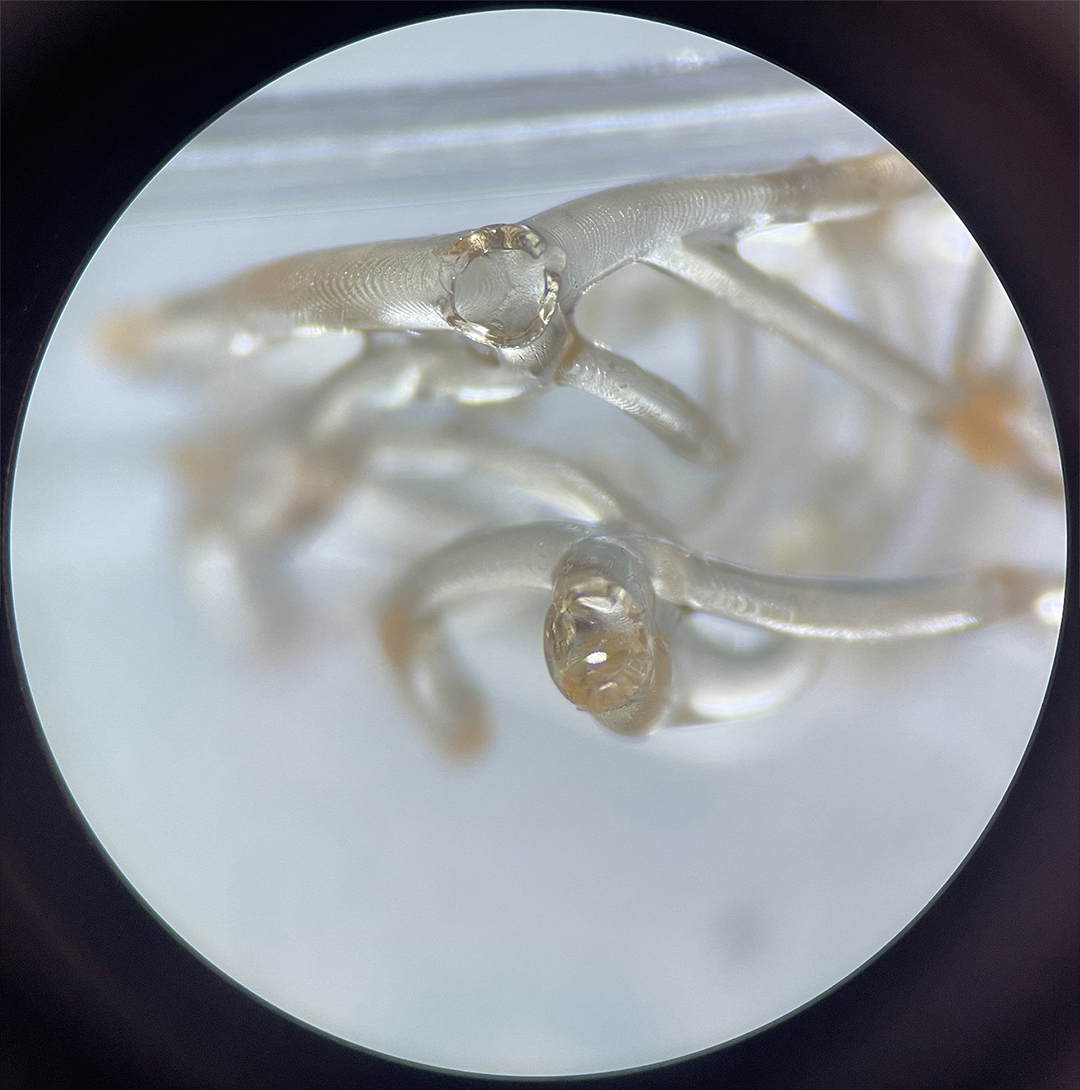
LambdaVision
LambdaVision is a preclinical-stage biotechnology company developing the first protein-based artificial retina to restore meaningful vision for patients blinded by retinal degenerative diseases, including retinitis pigmentosa and age-related macular degeneration. Its investigational retina— a small, flexible implant assembled from 200 layers of protein thin-film material—benefits from microgravity manufacturing, where reduced sedimentation produces more homogeneous, stable, and higher-performing films than can be reliably achieved on Earth. Through nine missions to the ISS, LambdaVision has validated its full production platform, including autonomous hardware, fluidics, sterilization, and quality control processes. Vast and LambdaVision will engage in collaborating to extend this program on Haven-1 and future stations, where dedicated lab infrastructure and repeat access will support production at levels required for clinical use.
"As we advance toward clinical development, access to commercial space destinations like Vast’s Haven stations will help us further optimize manufacturing, broaden our research capabilities, and advance our protein-based artificial retina for patients affected by retinal degenerative diseases,” said Nicole Wagner, Ph.D., CEO of LambdaVision. “We are entering a new era in which commercial space destinations can build upon the scientific foundation established aboard the International Space Station and create new pathways for discovery and innovation. Together with Vast and its partners, we are planning to unlock the potential of commercial low-Earth orbit to deliver technologies that can improve lives on Earth.”
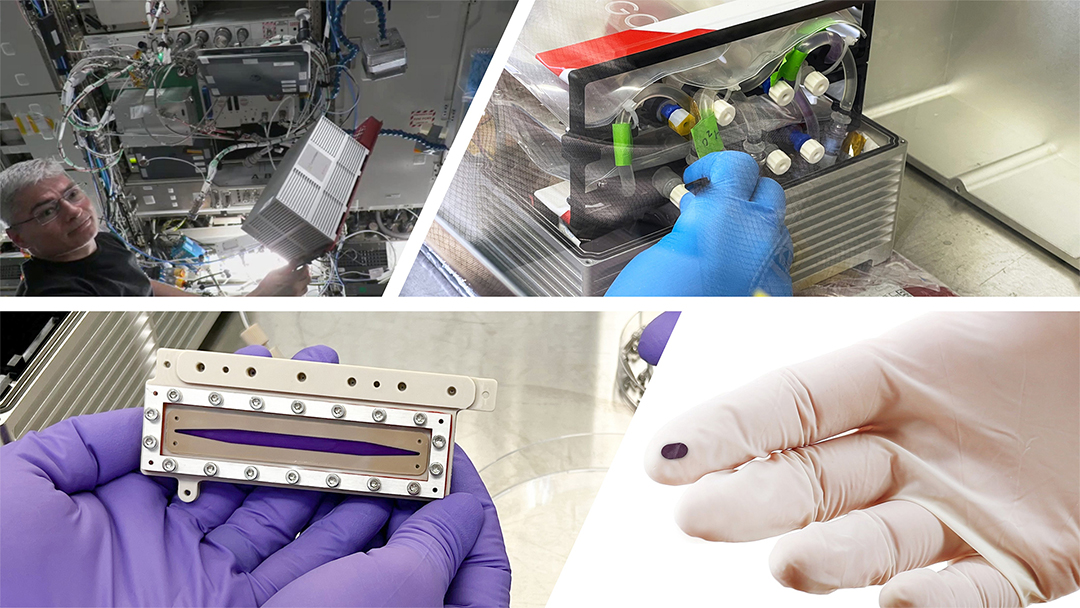
BioOrbit
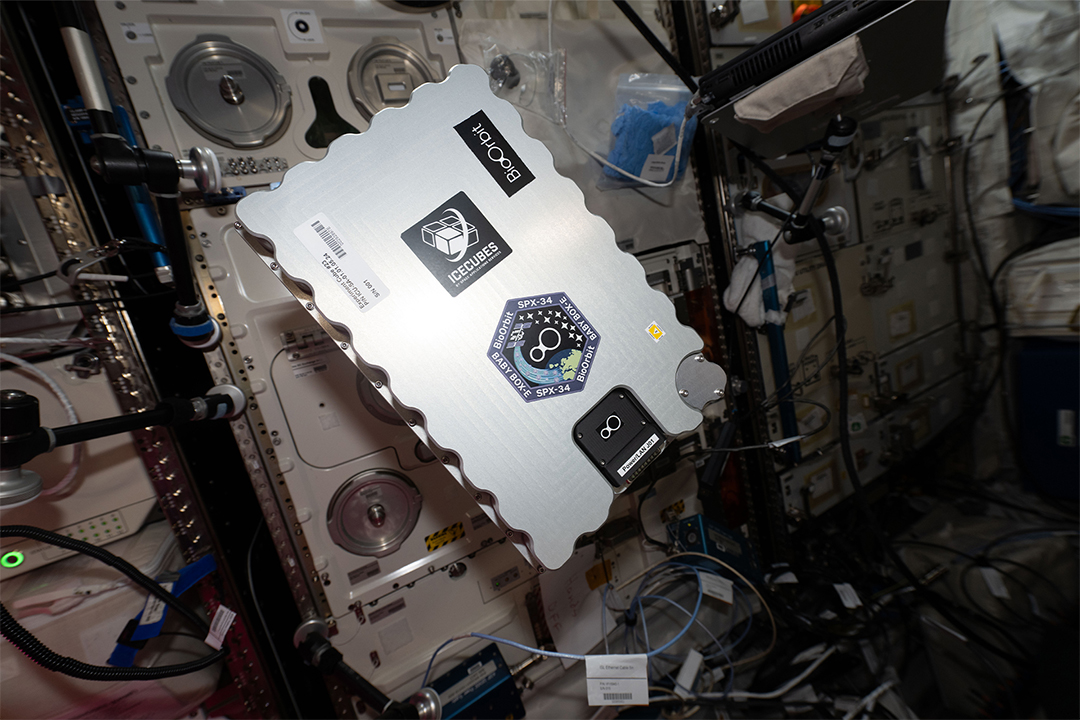
BioOrbit is the go-to pharmaceuticals factory in microgravity - at the forefront of the space manufacturing revolution. It is developing a platform for large-scale crystallization of protein drugs. Founded in London by Cambridge graduate Dr. Katie King and Oncology Researcher Dr. Leonor Teles in 2023, BioOrbit’s proprietary hardware, known as BOX, is used to crystallize protein drugs while in LEO before they are extracted and used in drug formulations on their return to Earth.
King and Teles recognized a pivotal inflection point in the space economy; as access to orbit transitions from exploration to routine return capability, space is no longer just a destination for discovery, it becomes a viable environment for manufacturing. Where many still saw exploration, King and Teles identified production and created a company which is now delivering for the new era. Through its MOU with Vast, BioOrbit is examining bringing its crystallization platform to Haven stations, targeting the repeat access necessary to move from demonstration results to contracted pharmaceutical programs.
“Partnering with Vast marks a pivotal step in BioOrbit's mission to make microgravity the next frontier in pharmaceutical manufacturing,” shared CEO and co-founder Dr. Katie King of BioOrbit. “Haven stations are designed to give us the repeat access and dedicated infrastructure we need to scale from demonstration through to production and ultimately bring a shift in healthcare here on Earth.”
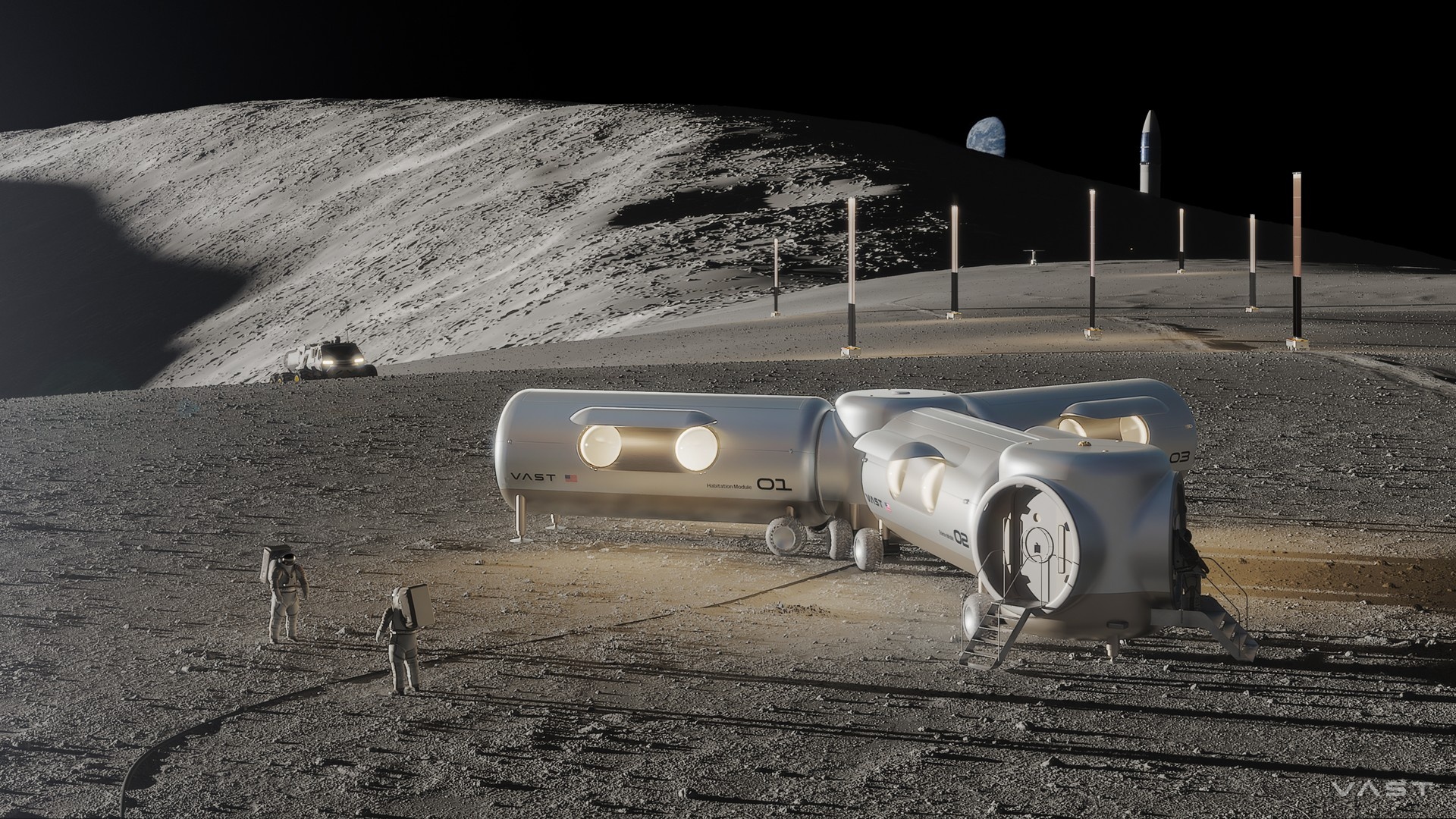
These agreements reflect Vast's commitment to expanding global access to microgravity research and creating new pathways for scientific and economic development in LEO. The expanded network is another milestone for Vast’s momentum internationally. Recent crew agreements for France and the Czech Republic point toward future science being conducted in space by sovereign nations and deepening international collaboration in the new era of commercial space.
About Vast
Vast is developing next-generation space stations and space infrastructure using an incremental, hardware-rich and low-cost approach. Vast is rapidly developing its multi-module Haven Station to ensure a continuous human presence in space for America and its allies, enabling advanced microgravity research and manufacturing, and unlocking a new space economy for government, corporate, and private customers. Haven Demo’s 2025 success made Vast the only operational commercial space station company to fly and operate its own spacecraft. Next, Haven-1 is expected to become the world’s first commercial space station when it launches in 2027, followed by additional Haven modules. Additionally, the company recently announced Vast Satellite, a high-power satellite product line leveraging its space station components and the heritage of Haven Demo.
Headquartered in Long Beach, California, and with more than 1,000 employees and over a billion dollars in private capital, Vast has built the facilities required to manufacture and operate America’s next space station. The company plans to develop future habitats and systems for the Moon and Mars, dedicated space stations for government partners, and other crewed systems that will unlock the expanding long-term space economy.
About the Sanford Stem Cell Institute
SANFORD STEM CELL INSTITUTE (SSCI) is a global leader in regenerative medicine and hub for stem cell science and innovation in space. SSCI aims to catalyze critical basic research discoveries, translational advances, and clinical progress terrestrially and in space to develop and deliver novel therapeutics to patients.
About Auxilium Biotechnologies
Auxilium Biotechnologies is a clinical-stage biotechnology and medical device company advancing regenerative medicine through innovative implantable therapies and space-based biomanufacturing. The company develops next-generation medical devices for traumatic injuries to the nervous system while pioneering microgravity bioprinting and biofabrication technologies designed to enable the manufacturing of complex biological products in space. Auxilium combines expertise in advancing products through FDA regulatory reviews, clinical operations, regenerative medicine, advanced manufacturing, and commercial spaceflight to improve human health on Earth and support long-duration space exploration (e.g., Moon and Mars).
About LambdaVision
LambdaVision is leveraging space to develop a protein-based artificial retina to restore meaningful vision for the millions of patients blinded by retinal degenerative diseases, including retinitis pigmentosa (RP) and age-related macular degeneration (AMD). The patent-protected artificial retina technology developed by LambdaVision uses photoactive proteins to naturally mimic the light-absorbing properties of human photoreceptor cells and activate neuroreceptors still present in degenerated retinas of blind patients. LambdaVision’s artificial retina is one of the first technologies being evaluated on the International Space Station that has potential for clinical use, and the established microgravity manufacturing processes, quality control methods, and laboratory techniques provide a foundation for future clinical research in space. To learn more, visit lambdavision.com.
About BioOrbit
BioOrbit is a space manufacturing company developing hardware for the large-scale crystallization of protein drugs in microgravity. Backed by £9.8 million in seed funding and a UK Space Agency contract, the company's mission is to build a pharmaceutical production capability in orbit that transforms how life-saving biologics are manufactured and delivered. For more information, visit bioorbit.space.
.jpg)