updates
Space Medicine at Vast: A Systems-Level Approach to Astronaut Health and Performance

Vast is designing a comprehensive approach to maintaining optimal health for astronauts before, during, and after spaceflight. In preparation for our first crewed missions, targeted for 2027, we have assembled a team of veteran space medicine experts and spaceflight-experienced advisors to optimize crew health and performance at every stage of the mission.
Vast is preparing to conduct two historic crewed missions to low-Earth orbit: Vast-PAM-1, NASA's sixth awarded private astronaut mission to the International Space Station, and the first crewed mission to Haven-1, targeted to be the world's first commercial space station. These missions are intended to inform the design and development of Haven Station, our multi-module station with continuous crew capability, to host longer-duration missions in space.
Spaceflight medicine
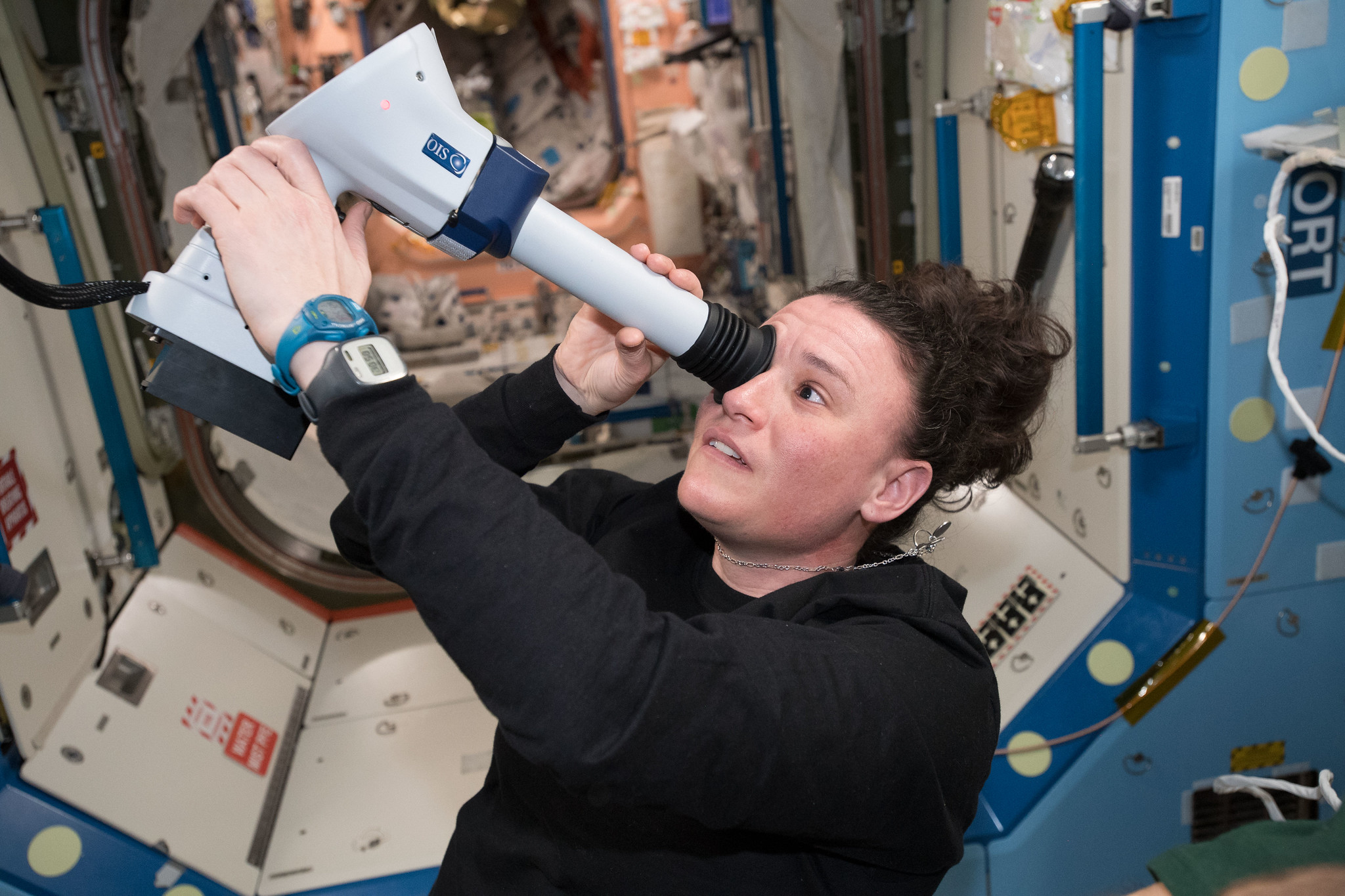
Vast’s spaceflight medicine team is led by Dana Levin, MD, MPH, a space, expedition, and emergency medicine physician, and includes experts in pharmacology, exercise physiology, and behavioral health, as well as medical specialists in fields ranging from women's health to surgery. The team includes Dr. Serena Auñón-Chancellor, a NASA flight surgeon and astronaut who served as crew medical officer and flight engineer on Expeditions 56 and 57 aboard the International Space Station, spending 197 days in orbit.

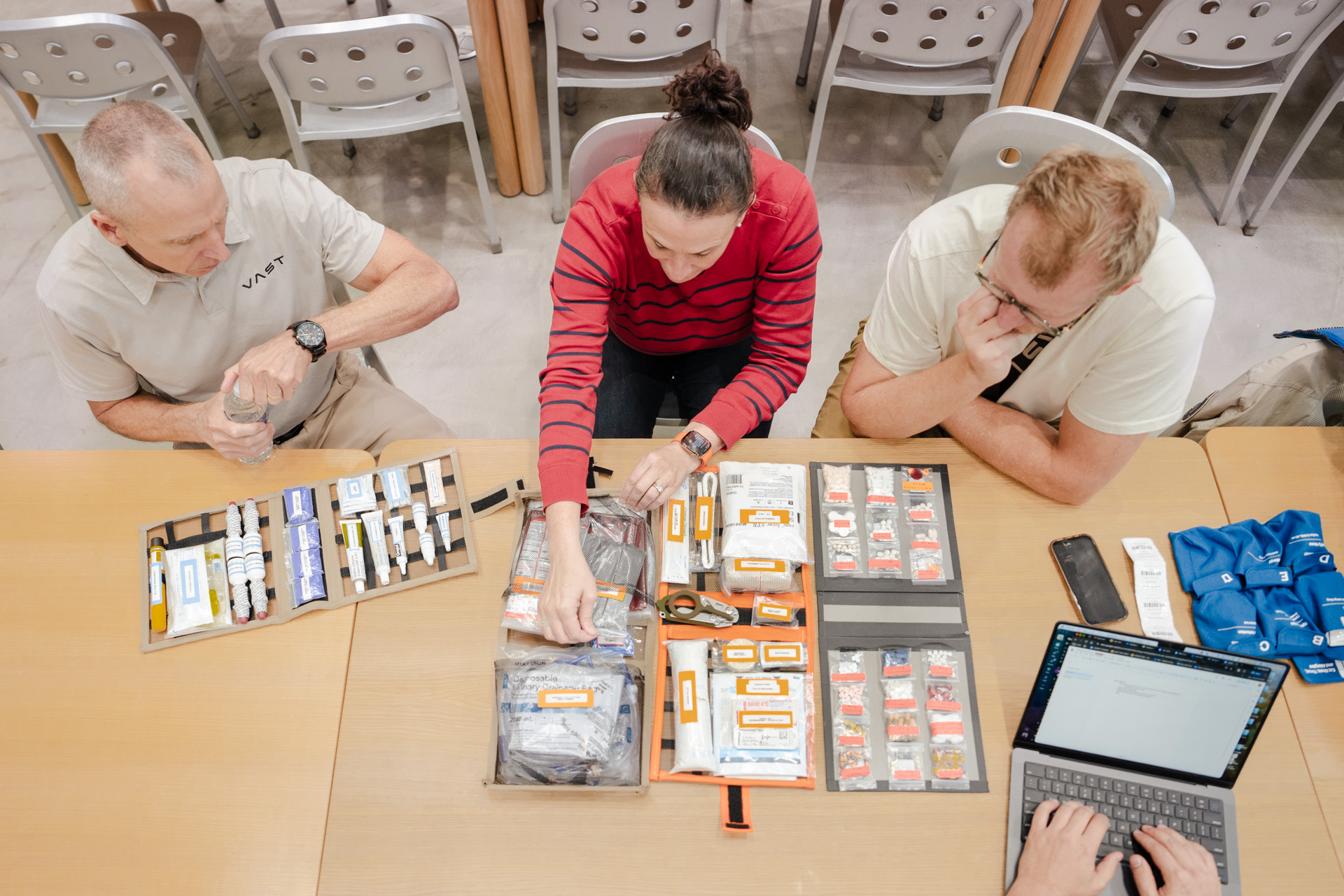
“Beyond easing the adjustment to microgravity, the Space Medicine and broader Mission Operations teams are addressing astronaut health and performance through an integrated, systems-level approach,” said Dana Levin, Director of Space Medicine at Vast. “From vehicle design, to quality sleep, to medical kit inventory and training, to behavioral health, our team is focused on keeping our crew safe, healthy, and productive at every stage of their mission.”
Medical kit preparation through risk modeling
Haven-1's Commercial Space Station Medical System integrates station architecture, mission details, and crew health profiles into a risk model that informs what supplies and systems are carried on board, as well as pre- and post-flight health optimization planning for the crew.
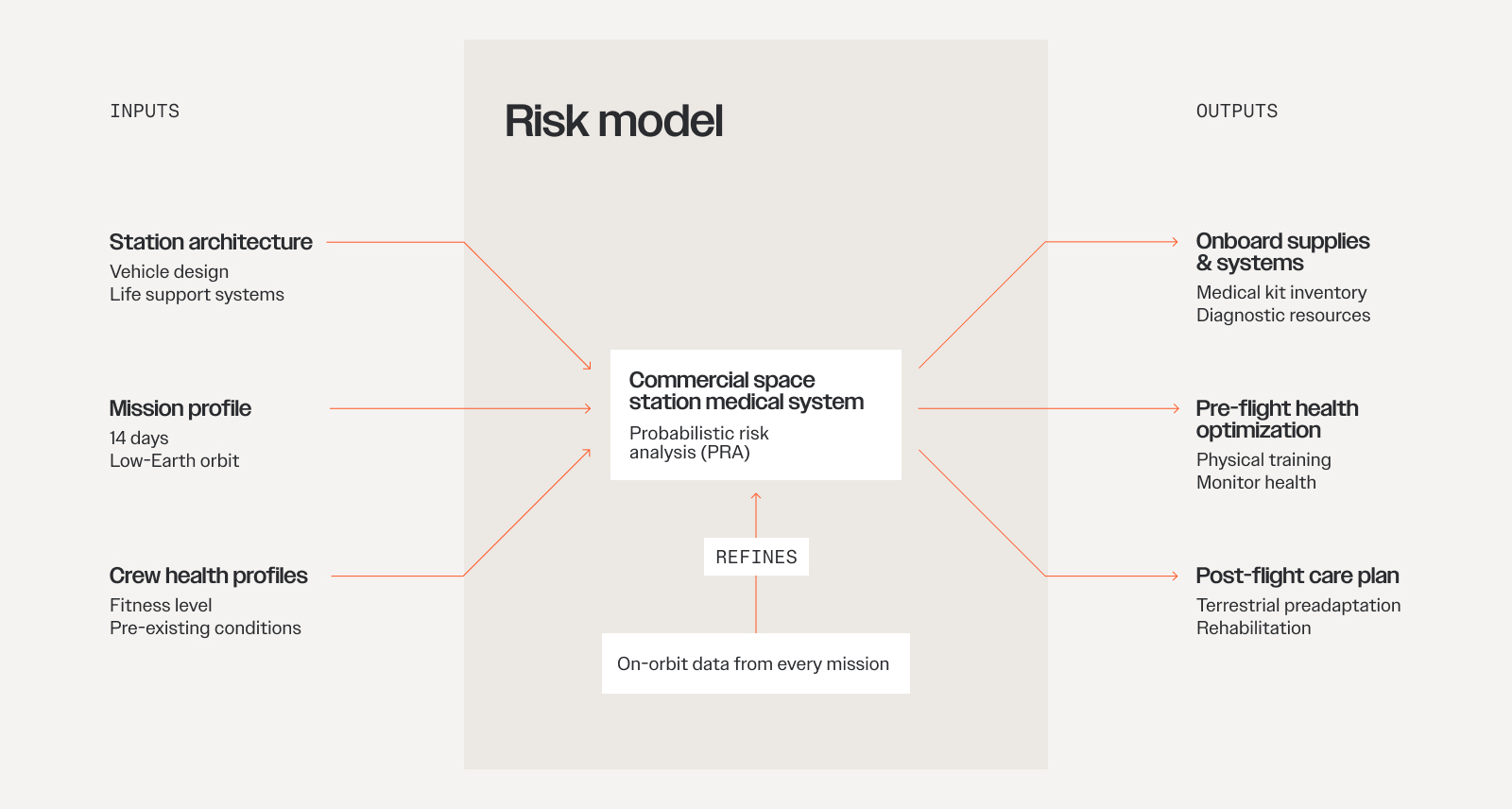
"Our risk model helps us decide if the benefit of including a specific medical resource is worth the cost of excluding something else," said Levin.
The system represents the first application of a fully systems-engineered, probabilistically grounded medical design framework built for spaceflight from the start of a program. As Vast builds larger crewed stations and plans for longer-duration missions, this methodology is designed to scale across mission profiles, operators, and destinations.

Preparing medicine for flight
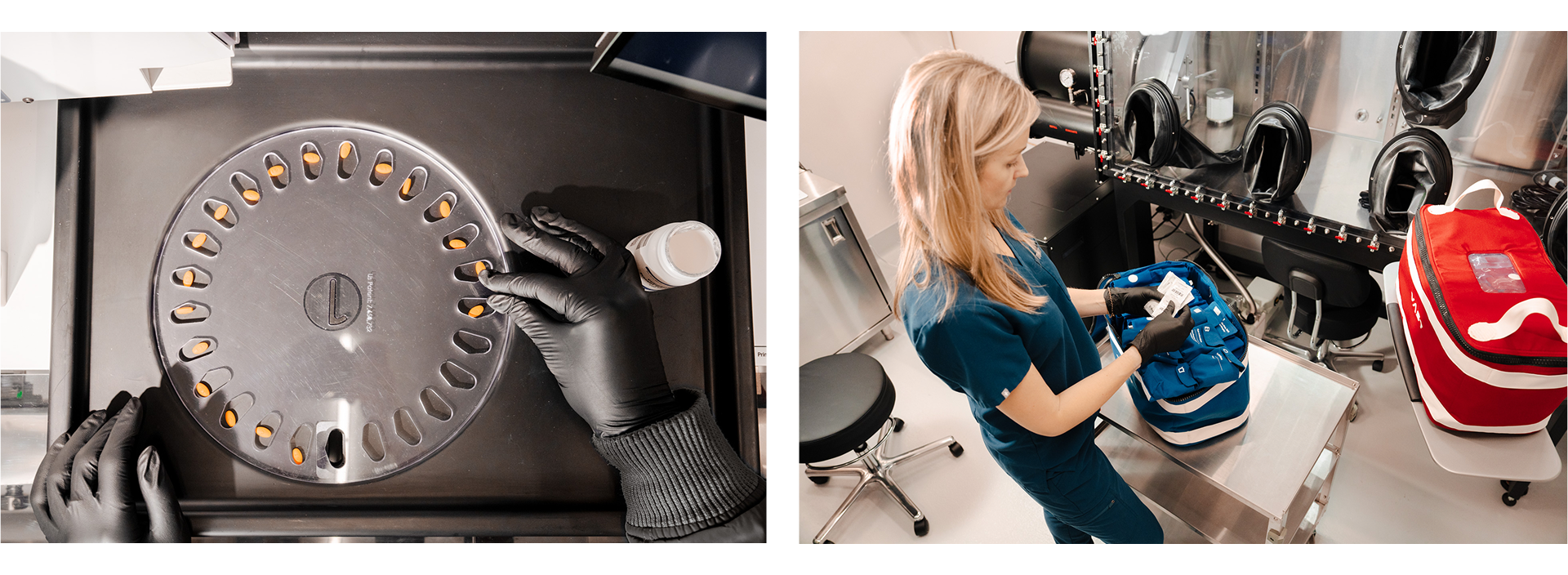
Medical kits will be packed according to the risk model results. Vast is developing an in-house facility dedicated to repackaging medication in a sealed, inert environment that locks out oxygen, carbon dioxide, and moisture, three major causes of drug degradation in space. This helps ensure that medications stay potent for the full mission and that safety and regulatory standards are met.
Creating the conditions for humans to thrive in space
Life support systems on Haven-1 are designed with multiple layers of redundancy so that no single failure can compromise the crew safety. The space medicine team collaborates with Environmental Control and Life Support Systems (ECLSS) engineers to define the essential environmental conditions, such as atmospheric composition, pressure, and temperature. The ECLSS team designs, builds, and tests the systems that make Haven-1 suitable for humans to live and work in space.
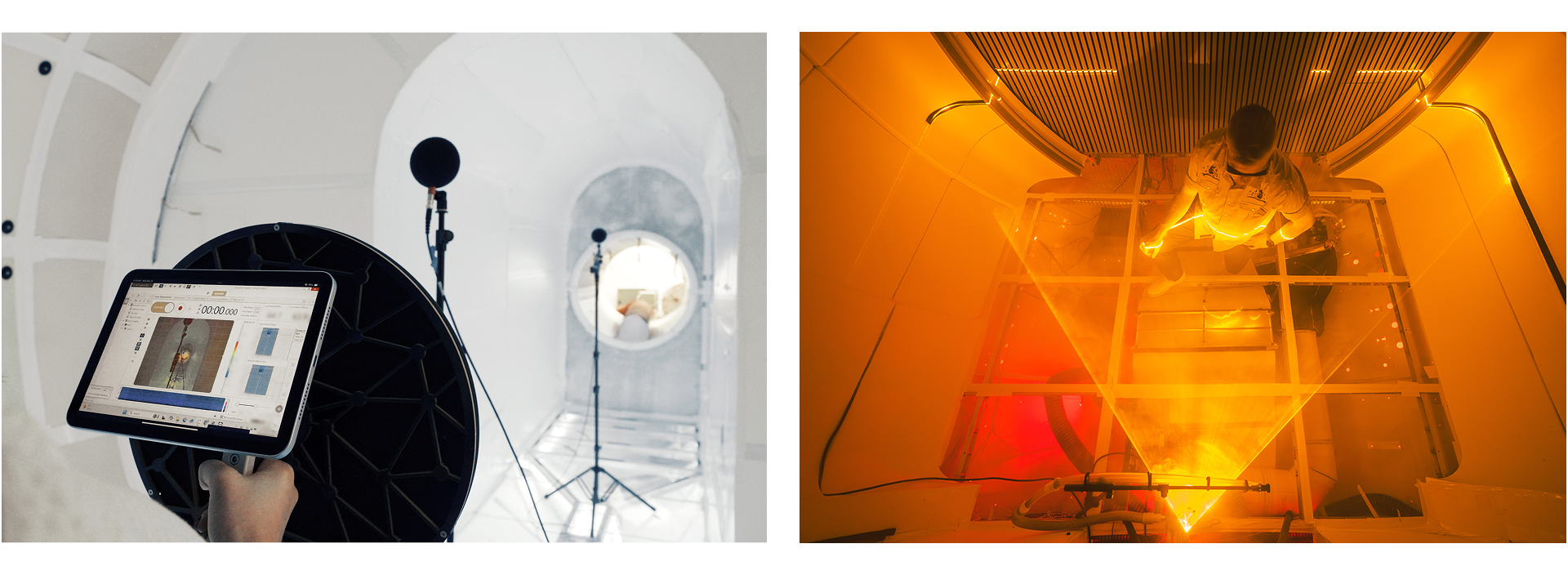
Acoustic testing and mitigation ensures sound levels from hardware or machinery remain within comfortable limits, which supports sleep, communication, and productivity. Sensors throughout the station continuously monitor and report atmospheric and environmental data, and the air in the cabin is continuously scrubbed of contaminants and byproducts. Once in orbit, flight surgeons and engineers in our mission control center will closely monitor and respond to changes in the cabin environment
Human research and technology demonstrations
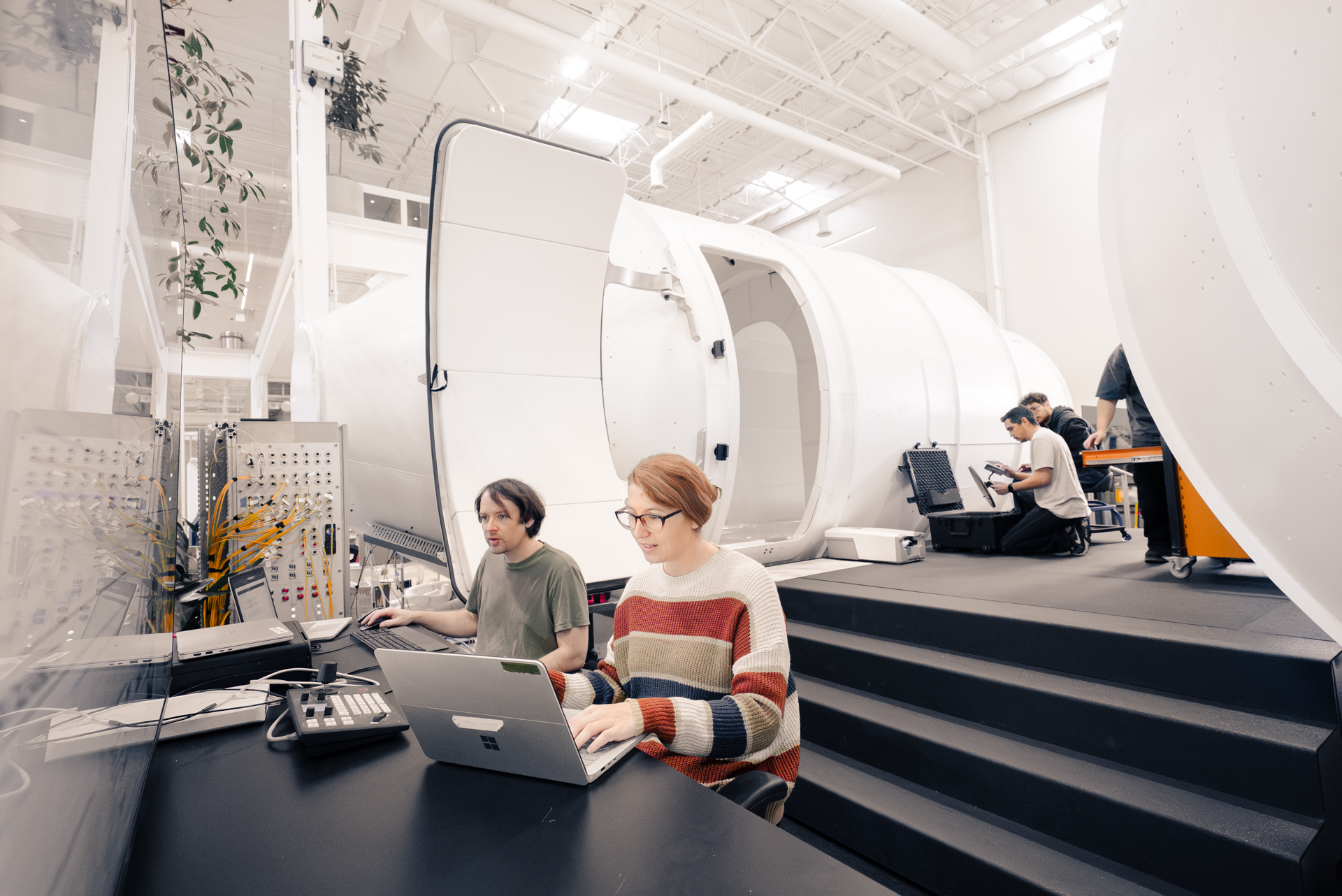
We are designing our missions based on learnings from decades of human spaceflight research. Every Vast crew will have the opportunity to add to that body of knowledge, improving our understanding of how humans adapt to space on both short- and long-duration missions.
Physiologically, our teams will have the opportunity to study bone density, cardiovascular function, microbiome changes, medication preservation, novel sleep systems, and radiation protection. Haven-1 is designed with astronaut health and well-being at the forefront with optimized lighting, sleep systems, materials, privacy, and sense of community, all shaping mood and performance.
Crew medical training
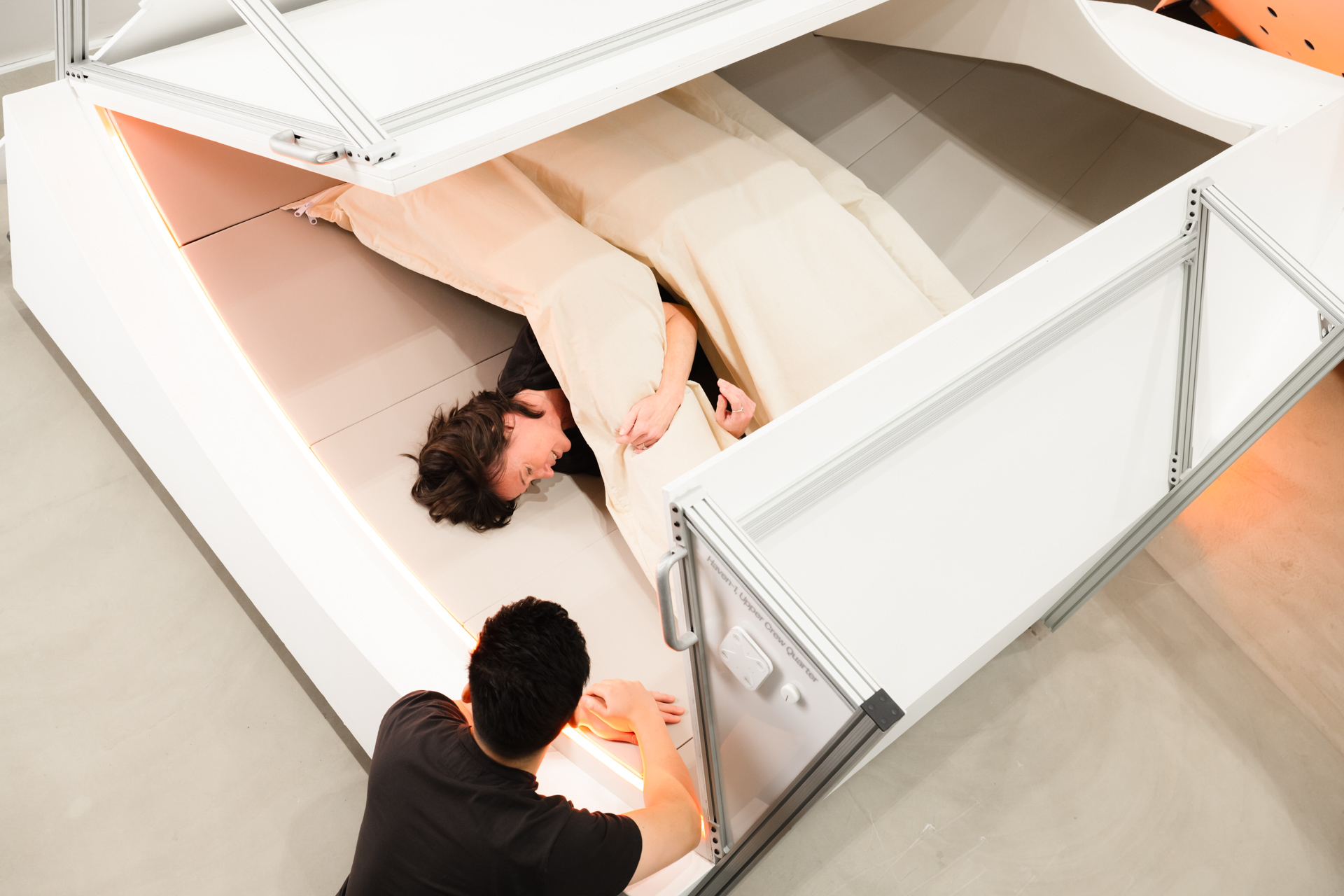
All crew members will train with our medical team through a series of in-person and self-paced sessions tailored to their mission. They will develop a strong understanding of the physiological changes humans experience in microgravity and how to mitigate them, and will gain hands-on experience with a range of medical procedures.
In addition to on-console support from our mission control center, each crew will include designated Chief Medical Officers with more advanced training in the spacecraft's medical capabilities, including diagnostic ultrasound, bloodwork, medication administration, and vital signs monitoring, equipping them to assess, diagnose, and respond to medical situations independently while in orbit.
Exercise systems
In-flight exercise on long-duration missions helps prevent musculoskeletal and cardiovascular deconditioning due to the lack of gravitational load on the body. The International Space Station has demonstrated that effective exercise systems are critical to maintaining physical and psychological health during long-duration spaceflight.
While Haven-1 missions, at only two weeks long, pose a low risk for significant physical deconditioning, Vast will use Haven-1 to test and evaluate the efficacy and feasibility of exercise hardware for future Haven Station modules.
“On Earth, you can go to the gym and lift weights; gravity creates a load on your body that tones your muscles,” said Tim Pelot, Vast’s Astronaut Strength, Conditioning, and Rehabilitation Specialist. “In space, we can’t create a load in that same way.”

Crew members also work with Vast exercise physiologists and preventive medicine physicians before flight to build strength, coordination, balance, and aerobic capacity, and the team supports them again after landing as they readjust to Earth’s gravity.
Planning for the future of human spaceflight
“The more people we fly, and the longer we fly for, the better we’ll get at this, so we can improve our procedures, exercise systems, medical kits, station designs, medications, and learn more about how humans adapt,” said Levin.
As the International Space Station approaches retirement, Vast is developing its proposed successor, Haven Station, to ensure a continuous human presence in low-Earth orbit for America and its allies. We believe that human-in-the-loop evaluations and human-centric design, built upon exceptional hardware, will unlock the future of space exploration, including deeper and longer-duration missions into space and habitats for the Moon and Mars.